U.S. Treasury Imposes Sweeping Sanctions on Iranian Entities for Evading Sanctions and Enabling Repression
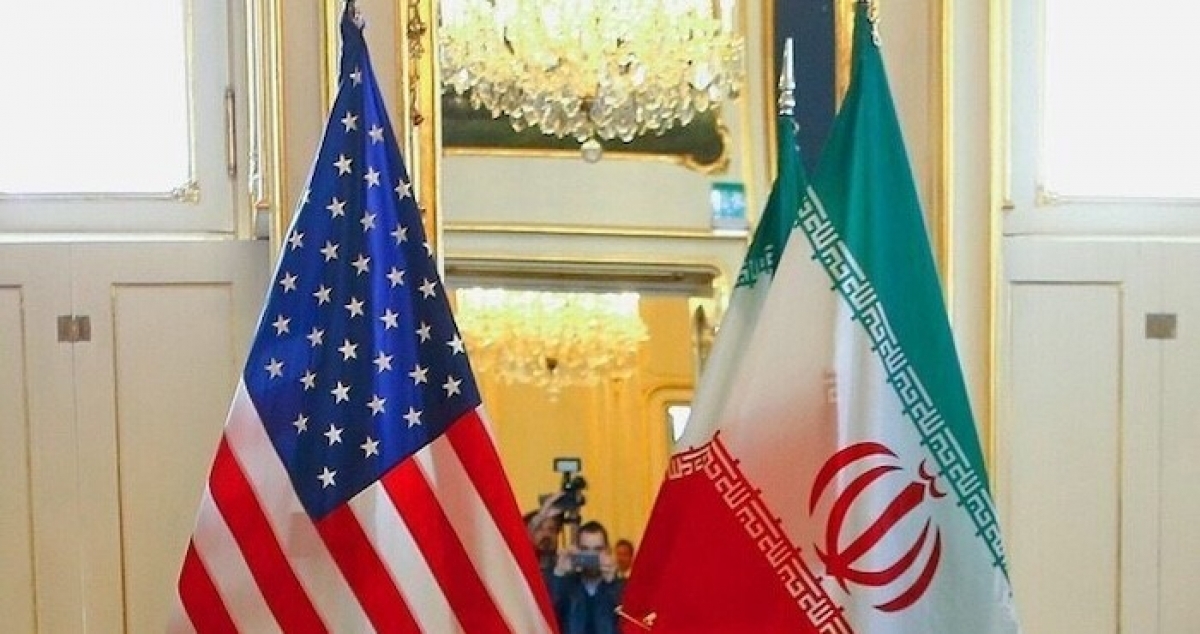
The U.S. Department of the Treasury announced major sanctions on Thursday targeting 18 individuals and entities tied to Iran’s efforts to circumvent international sanctions, generate illicit revenue, and bolster domestic repression through surveillance technologies.
In a statement, the Treasury’s Office of Foreign Assets Control (OFAC) said the sanctioned networks play "pivotal roles" in Iran’s attempts to bypass U.S. sanctions through alternative banking systems and offshore finance. The measures also target firms supplying Tehran with technologies used to surveil and control its population, particularly women.
Facing severe financial pressure and global isolation, Iran has developed sophisticated financial tools to evade sanctions and sustain revenue from illicit oil sales. According to the Treasury, these systems fund the regime’s proxy groups and internal repression.
Among the key targets is RUNC Exchange System Company, also known as RUNC International Banking Solutions, which developed Iran’s Cross-Border Interbank Messaging System (CIMS)—an alternative to SWIFT designed to facilitate transactions with countries like China, including ties to the U.S.-blacklisted Bank of Kunlun. The Treasury warned foreign institutions using CIMS that they risk secondary sanctions.
The sanctions also hit Cyrus Offshore Bank, a covert entity established in Iran’s Kish Free Zone to conduct foreign transactions beyond Iran’s formal banking oversight. The Treasury alleges the bank acts as a front for the sanctioned Parsian Bank and was used by the Islamic Revolutionary Guard Corps (IRGC) to route oil revenues. Cyrus Bank reportedly worked with the Bank of Kunlun to launder proceeds from oil sales.
Three Cyrus Bank executives—Hadi Nouri, Alireza Fatahinojokambari, and Adel Berjisian—were designated for their roles in advancing Iran’s strategy to build decentralized financial networks abroad.
The Treasury also sanctioned FANAP, an Iranian tech and software holding company owned by Pasargad Bank, for its involvement in both banking infrastructure and domestic surveillance. FANAP produces ATMs, banking software, and secure cash transport systems but is also deeply involved in developing facial recognition software and censorship tools used by Iranian security forces.
FANAP played a key role in building Iran’s National Information Network, a state-controlled intranet that restricts access to the global internet. The company also developed Soroush, a messaging app promoted as a domestic alternative to Telegram after the government blocked the platform during mass protests.
FANAP’s director, Shahab Javanmardi, who has ties to Iran’s Ministry of Intelligence and the IRGC, was sanctioned alongside eight FANAP subsidiaries spanning banking tech, communications, and digital infrastructure.
“As a result of President Trump’s maximum pressure campaign and increasing isolation from the global financial system, the Iranian regime is running out of places to hide,” said Treasury Secretary Scott Bessent. “Treasury will continue to disrupt Iran’s schemes aimed at evading our sanctions, block its access to revenue, and starve its weapons programs of capital to protect the American people.”
The sanctions freeze all U.S.-based assets of the designated entities and individuals and prohibit American persons from transacting with them unless authorized by OFAC. Entities 50% or more owned by sanctioned parties are also subject to blocking.