US Bill Threatens Iraq’s Electricity Supply, Raises Oil Smuggling Concerns
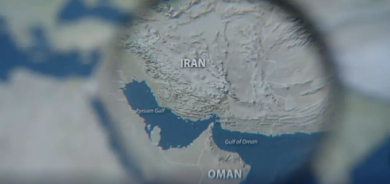
A proposed U.S. congressional bill aimed at banning energy imports from Iran could severely disrupt Iraq’s electricity supply, exacerbating power shortages during peak demand periods, according to oil expert Nabil al-Marsoumi.
In an interview with Shafaq News, al-Marsoumi warned that the No Iranian Energy Act—currently under review in Congress—would directly impact Iraq’s reliance on Iranian gas and electricity, which together provide around 40% of the country’s energy needs. “The legislation would leave Iraq with limited and difficult alternatives, particularly during the high-demand summer months,” he said.
The bill, introduced in April by Republican Congressman August Pfluger, is part of former President Donald Trump’s “maximum pressure” campaign against Iran. It seeks to cut off all Iraqi purchases of Iranian natural gas, a key resource for Iraq’s struggling power sector.
Although Iraq had previously received temporary waivers to continue importing Iranian energy, those exemptions have now expired, leaving Baghdad legally barred from buying Iranian gas under existing U.S. sanctions.
Meanwhile, Iraq is facing growing scrutiny over allegations of oil smuggling, particularly through crude blending operations. At the al-Qayyarah oil field, daily production reaches 30,000 barrels, but only 3,000 barrels are consumed domestically. Al-Marsoumi noted that the remaining volume has raised suspicions, as the field’s heavy, high-sulfur crude has little standalone market value.
“There are concerns that this oil is being mixed with Iranian crude to circumvent U.S. sanctions,” he said.
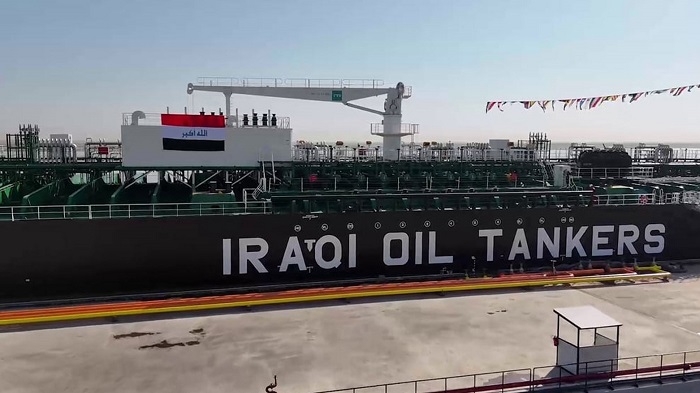
Khor al-Zubair’s Berth 41 has been identified as a potential hub for suspected trafficking of both crude and black oil. Al-Marsoumi cited the State Organization for Marketing of Oil (SOMO)’s admission of product leakage—particularly through Khor al-Zubair and Umm Qasr—as possible evidence of organized smuggling operations.
In a notable shift, SOMO officially withdrew from its role in transporting crude from production fields to Khor al-Zubair as of August 1. The responsibility has now been transferred to oil companies, while SOMO retains oversight of sales. Al-Marsoumi suggested the move may be an attempt to distance the organization from mounting operational controversies.