
Turkey Terminates 50-Year-Old Oil Pipeline Agreement with Iraq, Paves Way for Modern Energy Partnership
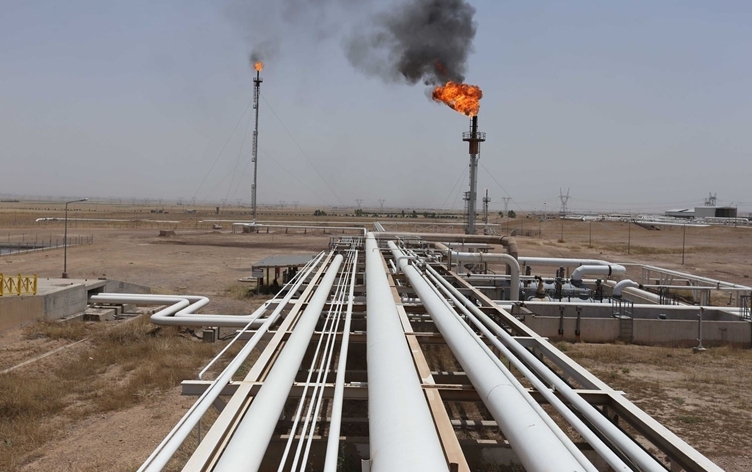
In a historic move signaling a major shift in regional energy policy, Turkish President Recep Tayyip Erdoğan has issued a decree to terminate the 1973 crude oil pipeline agreement with Iraq, effectively ending a five-decade-old framework that governed one of the Middle East’s most critical energy corridors.
The decision, formalized under Presidential Decree No. 10113 and published in Turkey’s Official Gazette on Monday, sets a clear one-year transition period before the termination takes full effect on July 27, 2026. The move opens the door for Ankara and Baghdad to negotiate a modernized energy partnership reflective of current geopolitical and economic realities.
The decree nullifies not only the original 1973 Turkey-Iraq Crude Oil Pipeline Agreement but also subsequent protocols and amendments that shaped the bilateral energy relationship over the years. Key agreements set to be terminated include:
The 1976 Crude Oil Pipeline Protocol
A 1981 Memorandum of Understanding
The 1986 Supplementary Agreement
The 2011 Amendment Agreement, which revised the original pact and all related documents
The legal basis for the termination, as cited in the decree, stems from Article 3 of Presidential Decree No. 9, which governs international treaty withdrawals.
By providing a 12-month notice period, Turkey’s decision ensures a structured transition, allowing both nations time to negotiate a replacement agreement. Analysts suggest the move reflects Ankara’s intent to modernize the Iraq-Turkey Pipeline (ITP), a crucial artery transporting Iraqi crude to global markets via Turkey’s Ceyhan port.
The termination comes amid broader regional energy realignments, including disputes over oil exports between Baghdad and the Kurdistan Regional Government (KRG). A new agreement could redefine revenue-sharing mechanisms, transit fees, and operational control, addressing long-standing tensions.