Kim Jong Un Pledges Unconditional Support for Russia in Ukraine War During Lavrov Meeting
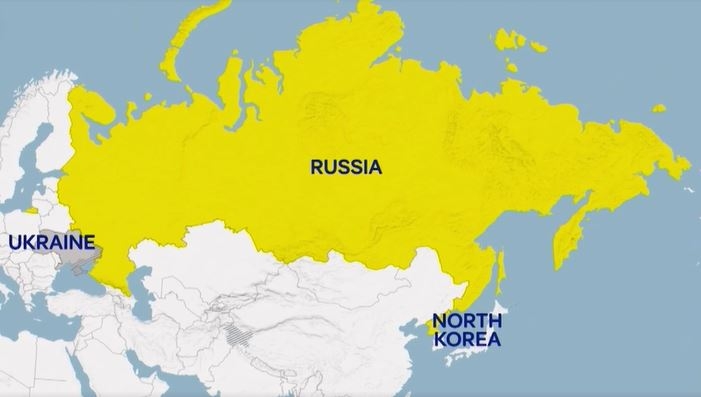
North Korean leader Kim Jong Un reaffirmed his unwavering support for Russia’s war in Ukraine during a meeting with Russian Foreign Minister Sergey Lavrov in the eastern port city of Wonsan on Saturday, state media reported Sunday.
The talks, held in an "atmosphere full of warm comradely trust," underscored deepening military and political ties between Pyongyang and Moscow as Russia intensifies its offensive in Ukraine. According to North Korea’s KCNA news agency, Kim told Lavrov that both nations share "the same views on all strategic issues" and that North Korea stands "ready to unconditionally support and encourage all measures taken by the Russian leadership" in addressing the Ukraine crisis.
Lavrov’s visit marks the latest high-level engagement between the two nations amid reports that North Korea is escalating its military involvement in the conflict. Last month, Russian Security Council chief Sergei Shoigu announced that Kim had agreed to deploy an additional 6,000 military engineers and workers to Russia’s Kursk region, near the Ukrainian border. This follows earlier dispatches of North Korean troops to assist Russian forces in the area.
South Korea’s National Intelligence Service (NIS) confirmed the troop deployments and revealed that Pyongyang has supplied Moscow with over 10 million artillery shells and missiles in exchange for economic cooperation and military technology.
In late June, North Korean state media broadcast images of Kim paying tribute to flag-draped coffins of soldiers reportedly killed while fighting alongside Russian forces in Ukraine. While Pyongyang has not officially acknowledged combat fatalities, the footage marked the first public admission of North Korean casualties in the conflict.
The meeting between Kim and Lavrov highlights the expanding partnership between the two isolated regimes, both facing international sanctions. Analysts suggest that North Korea’s military support could prove crucial for Russia as it faces ammunition shortages and manpower challenges in its prolonged war effort.
Meanwhile, the U.S. and its allies have condemned the arms transfers as violations of UN sanctions, while Ukraine has accused North Korea of fueling Russian aggression.