Iraq Warns of "Very Dangerous" Water Crisis Despite Turkish Claims of Increased Flow
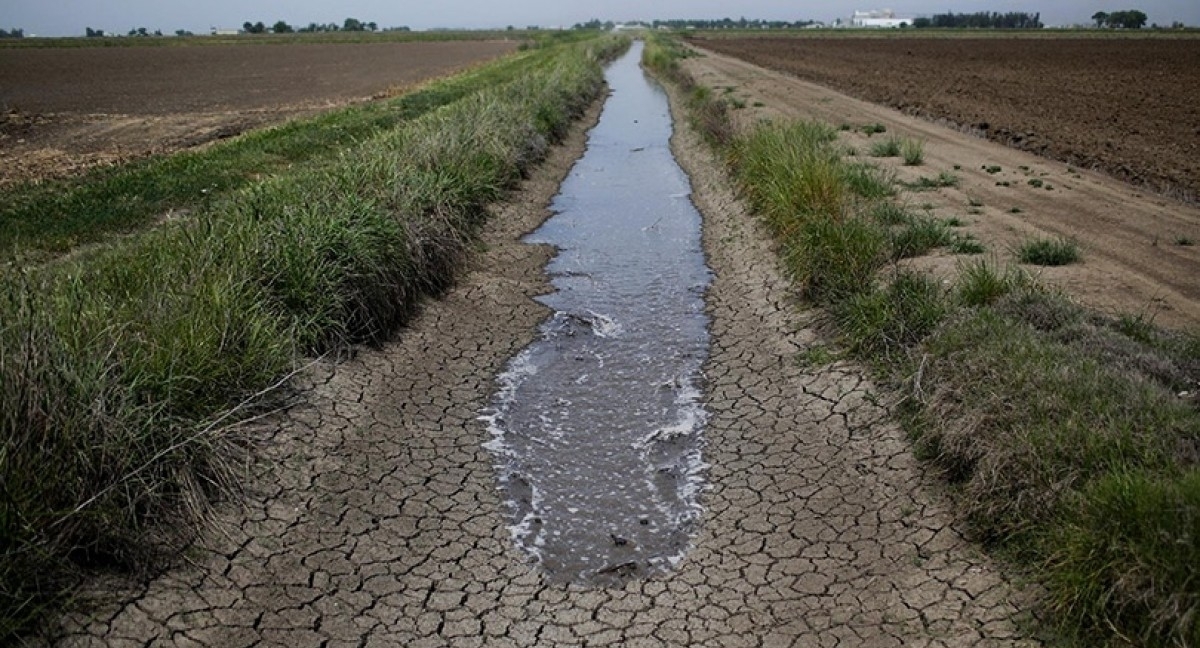
Iraqi lawmakers raised alarms on Thursday over the country’s worsening water crisis, dismissing Turkey’s claims of increased water releases into the Tigris and Euphrates rivers as insufficient to address the severe shortages affecting over 70 at-risk areas.
Sair Jabouri, a member of Iraq’s Parliamentary Agriculture and Water Committee, stated that while Turkey reportedly began releasing more than 400 cubic meters of water per second, there has been “no real change in water levels within Iraqi territory.” He emphasized that if the increase were genuine, its effects should be visible within 24 to 48 hours.
Jabouri noted that the current flow represents just 15% of what Turkey had pledged to supply during the summer months, calling the situation a looming disaster, particularly for southern and central Euphrates regions. He warned of a “difficult agricultural season and worsening environmental risks” due to critically low dam reserves and crumbling irrigation systems.
The lawmaker accused Ankara of a “continuous policy of withholding water,” calling it a violation against Iraq that endangers more than 20 million people. “This negligence by Ankara will have dire consequences,” Jabouri said, urging peaceful protests outside the Turkish embassy in Baghdad.
Despite ongoing talks, Iraq and Turkey have failed to establish a binding water-sharing agreement. Iraqi officials argue that upstream nations, including Turkey and Iran, exploit Iraq’s lack of a unified water strategy and weak diplomatic leverage.
However, local experts say internal failures are equally responsible. Adil Mukhtar, an Iraqi environmental specialist, stated, “Poor governance is the primary reason behind the current crisis.” He criticized Iraq’s water policies and dismissed Prime Minister Mohammed Shia’ al-Sudani’s recent regional water initiative as “election media hype.”
Once the agricultural heartland of Mesopotamia, Iraq now ranks among the top five drought-vulnerable nations. Experts warn that without urgent action—including modernizing infrastructure, securing long-term water agreements, and reducing waste—the country faces an escalating humanitarian and ecological disaster.