Iran Suspends Cooperation with UN Nuclear Watchdog Amid Escalating Tensions
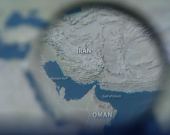
ran has officially suspended its cooperation with the International Atomic Energy Agency (IAEA), a move triggered by recent Israeli and U.S. strikes on its nuclear facilities. The decision marks a sharp escalation in tensions between Tehran and the UN nuclear watchdog following a 12-day conflict between Iran and Israel that began on June 13.
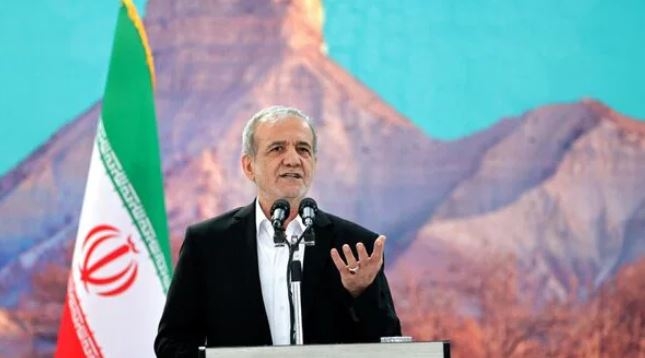
On June 25, a day after a ceasefire took effect, Iranian lawmakers overwhelmingly voted to halt cooperation with the Vienna-based IAEA. State media confirmed that the legislation, approved by the Guardian Council and ratified by President Masoud Pezeshkian, took effect on Wednesday.
The new law aims to "ensure full support for the inherent rights of the Islamic Republic of Iran" under the Nuclear Non-Proliferation Treaty (NPT), particularly regarding uranium enrichment. While IAEA inspectors previously had access to Iran’s declared nuclear sites, their current status remains uncertain following the suspension.
Iran’s ambassador to the UN, Amir Saeid Iravani, clarified that while inspectors remain in the country and are safe, their activities have been halted. "They are not allowed to access our sites," he said.
The conflict began when Israel launched a major bombing campaign targeting Iranian military commanders and nuclear scientists. Tehran retaliated with missile and drone strikes, killing 28 people in Israel, according to Israeli authorities. The U.S. later conducted unprecedented strikes on Iran’s nuclear facilities at Fordo, Isfahan, and Natanz, which Iranian officials say killed over 900 people.
Iran has accused the IAEA of remaining silent during the attacks and condemned a June 12 UN resolution accusing Tehran of non-compliance with nuclear safeguards—a move Iranian officials claim justified the strikes.
In response to Iran’s suspension, Israeli Foreign Minister Gideon Saar urged European signatories of the 2015 nuclear deal to trigger the "snapback" mechanism, which would reinstate all UN sanctions on Iran. The mechanism, set to expire in October, was part of the original agreement that collapsed after the U.S. withdrew in 2018.
Iranian officials have warned that invoking snapback could lead Tehran to withdraw from the NPT. Meanwhile, senior judiciary official Ali Mozaffari accused IAEA chief Rafael Grossi of "preparing the groundwork" for Israel’s attacks, citing "deceptive actions and fraudulent reporting."
U.S. President Donald Trump claimed the strikes "obliterated" Iran’s nuclear program, though the extent of the damage remains unclear. Iranian Foreign Minister Abbas Araghchi acknowledged "serious" damage but insisted that "one cannot obliterate the technology and science through bombings."
Iran’s ultra-conservative Kayhan newspaper went further, branding Grossi an "Israeli spy" who should be executed. Britain, France, and Germany have condemned unspecified threats against the IAEA chief.