Iran’s Foreign Policy Under Pressure: A Conversation with Dr. Alex Vatanka
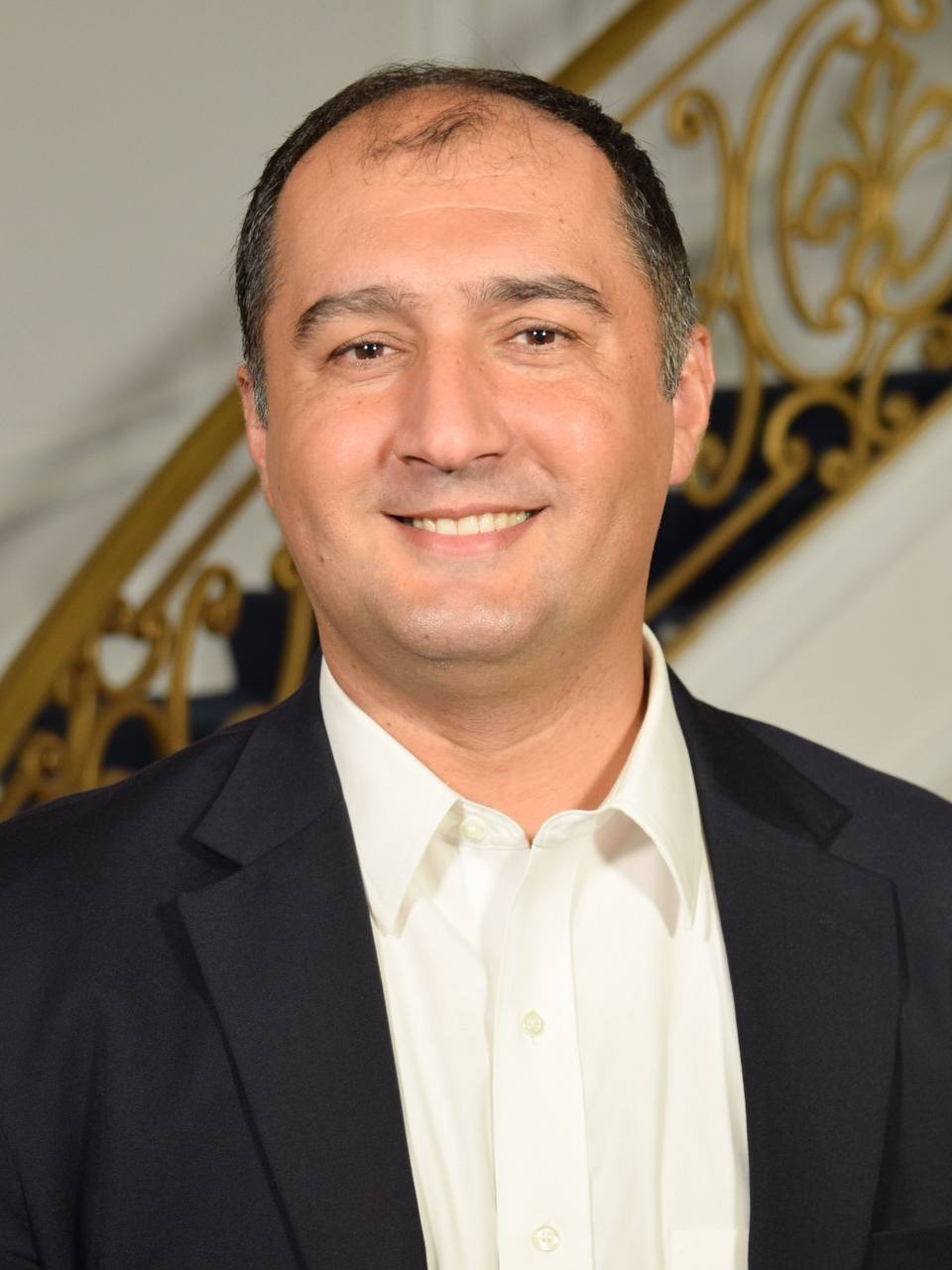
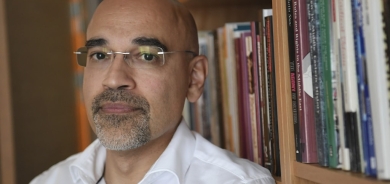
In the wake of escalating tensions across the Middle East, *Gulan Weekly Magazine* spoke with Dr. Alex Vatanka, Senior Fellow and Director of the Iran Program at the Middle East Institute in Washington, D.C. Dr. Vatanka offers a comprehensive perspective on Tehran’s evolving strategy—from its role in Gaza and relations with Russia and China, to its regional posture, proxy dynamics, and internal pressures. His analysis sheds light on where Iran's foreign policy is headed in the years to come.
1. How would you characterize Iran’s current foreign policy priorities under the new leadership, especially considering the growing regional tensions in the Middle East?
Iran’s current foreign policy under new leadership appears focused on pragmatic economic engagement, particularly with the United States, as a means of easing regional tensions. The op-ed by Foreign Minister Abbas Araghchi in the Washington Post on April 8 highlights Tehran’s shift toward appealing directly to President Trump’s business instincts, framing Iran as an “open market” for U.S. investment if sanctions are lifted. This suggests a tactical pivot toward economic diplomacy, prioritizing immediate gains over ideological posturing...
2. What role is Iran playing in the Gaza conflict, and how does this involvement align with its broader regional strategy and competition with Israel?
(This answer was not directly provided in the user input and could be requested or inferred in future steps.)
3. Following the China-brokered normalization between Iran and Saudi Arabia, do you believe this rapprochement will lead to long-term stability in Gulf relations?
The 2023 China-brokered rapprochement between Iran and Saudi Arabia represents a tactical move toward de-escalation, but long-term Gulf stability remains uncertain. Saudi Arabia’s recent outreach, including the visit by Defense Minister Khalid bin Salman to Tehran in April 2025, reflects Riyadh’s desire to hedge against potential fallout...
4. To what extent are Iran’s strengthening relations with Russia and China reshaping its strategic posture and affecting its foreign policy choices?
Iran’s growing ties with Russia and China are reshaping its foreign policy primarily as a strategy to counter U.S. sanctions, but significant limitations remain...
5. How have domestic challenges such as political protests and economic hardships influenced Iran’s behavior on the international stage?
Iran’s domestic political unrest and economic struggles have significantly influenced its foreign policy, pushing Tehran toward a more pragmatic and less ideologically rigid stance...
6. How sustainable is Iran’s regional strategy of supporting proxy groups like Hezbollah, Hamas, and the Houthis given the shifting dynamics in the region?
Iran’s regional strategy of supporting proxy groups like Hezbollah, Hamas, and the Houthis faces growing sustainability challenges due to shifting dynamics and heightened U.S. pressure...
7. How does Tehran currently view its interests and influence in Iraq and Syria, particularly in light of internal instability and external competition?
(This answer was not directly provided in the user input and could be requested or inferred in future steps.)
8. Looking ahead, what do you see as the greatest challenges and opportunities for Iranian foreign policy over the next five years?
Over the next five years, Iran’s foreign policy will face two interconnected challenges: economic stagnation and the dominance of hardline ideologues...
Dr. Vatanka’s insights highlight the complex balance Iran is trying to maintain—between ideological legacy and geopolitical necessity, between economic survival and regional ambition. As the region braces for continued instability, voices like his help clarify what may lie ahead for Iranian foreign policy.