Kurdish Authorities Deny Plans to Transfer Control of ISIS Family Camps to Syrian Interim Government
Kurdish authorities in northeast Syria (Rojava) have denied any discussions with Washington or Damascus about handing over control of camps housing families of Islamic State (ISIS) members to the Syrian interim government, a senior Rojava official told Rudaw on Friday.
The statement comes days after the US Embassy in Syria appeared to endorse such a transfer in a now-deleted social media post.
On Tuesday, the US Embassy posted on X (formerly Twitter) that Washington “commits to a responsible transfer operation for managing” camps in Rojava to the interim Syrian government. The post was later removed, but a screenshot was shared by Charles Lister, director of the Middle East Institute’s Syria program.
Rudaw English reached out to the US Embassy in Ankara, which oversees American diplomatic missions in Syria, for clarification but did not receive an immediate response.
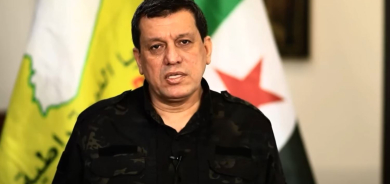
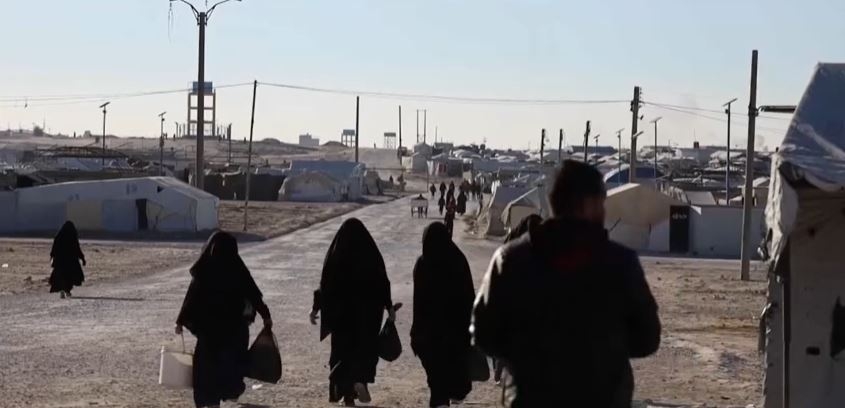
Sheikhmous Ahmed, the official overseeing displacement camps in northeast Syria, rejected the embassy’s claim, stating that there are no plans to relinquish control of the facilities, which house around 40,000 people with alleged ties to ISIS.
“What they shared is not true. A few days ago, we transferred some families from al-Hol camp to Aleppo city, which is under the control of the interim government of Damascus,” Ahmed said. He clarified that the US funds humanitarian organizations to facilitate these transfers but emphasized that the camps themselves will not be handed over.
“These camps will not be handed over to the [Syrian] government. The US and the Damascus government have nothing to do with these camps,” he said. “The Damascus government is only allowed to receive their people, and the US can provide assistance in this regard through their humanitarian organizations. There has been no discussion on the handover.”
The al-Hol and Roj camps, the largest in Rojava, have faced severe criticism from international monitors due to poor living conditions. In February, Human Rights Watch (HRW) warned that detainees face an uncertain future.
“People detained unlawfully in al-Hol and Roj camps should not be left to languish forever,” said Hiba Zayadin, HRW’s senior Middle East researcher. “Their dire situation needs to be included in discussions about Syria’s future.”
Following the fall of ISIS in 2019, Rojava authorities announced that Syrian detainees in al-Hol could voluntarily return home. In May, Ahmed said an agreement was reached with Damascus to establish a joint mechanism for evacuating Syrian families from the camp.
The return of displaced Syrians was also part of a landmark March agreement between Rojava and Damascus, which stated: “Ensuring the return of all displaced Syrians to their towns and villages and ensuring their protection by the Syrian state.” However, the deal did not mention transferring camp control.
Nearly half of al-Hol’s population is Iraqi, with Baghdad conducting phased repatriations, including rehabilitation programs before reintegration. Other foreign nationals remain stranded, prompting Iraq to organize a Geneva conference in September to encourage countries to repatriate their citizens.