Israel Strikes Iran’s Isfahan Nuclear Site for Second Time Amid Escalating Conflict
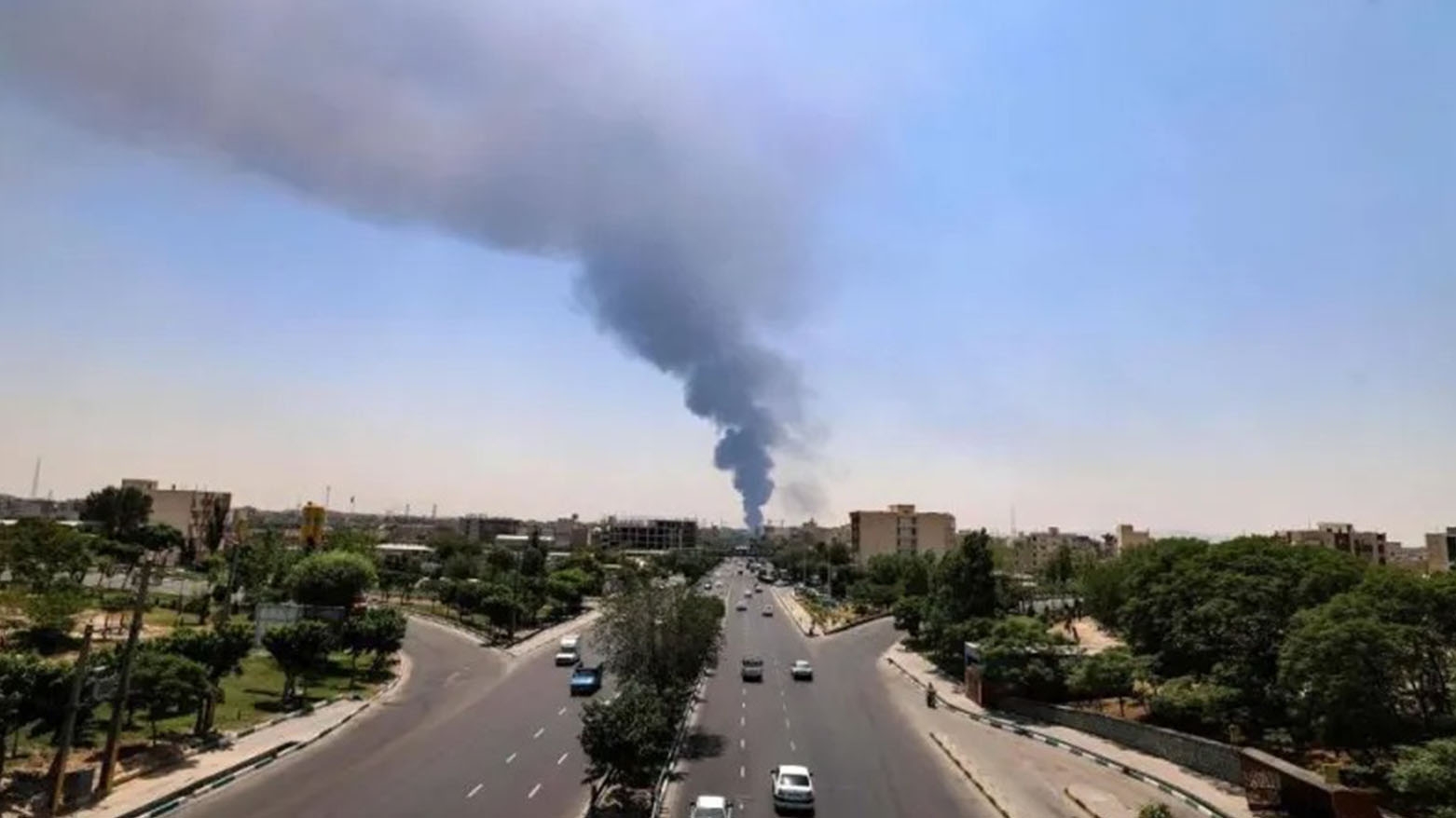
The Israeli military announced on Saturday that it had conducted a second airstrike on a nuclear facility in Isfahan, central Iran, escalating hostilities that began on June 13. The attack targeted a site allegedly involved in the production of centrifuges, critical components for uranium enrichment.
In an official statement, the Israel Defense Forces (IDF) confirmed that its air force carried out the overnight strike, marking the second such attack on the Isfahan facility since the conflict erupted. A senior Israeli military official, briefing foreign journalists, claimed the operation had "significantly degraded Iran’s ability to produce centrifuges," dealing a severe blow to Tehran’s nuclear program.
The IDF revealed that the latest operation involved around 50 aircraft and struck multiple targets across Iran, including military installations and nuclear sites. The military also confirmed the elimination of three high-ranking commanders of Iran’s Islamic Revolutionary Guard Corps (IRGC), including Saeed Izadi, described by Israel as a key liaison between Iran and Hamas.
Iranian state media, including the Mehr and Fars news agencies, acknowledged the attack but downplayed its impact. A local official in Isfahan stated that most explosions heard in the area were due to air defense interceptions and denied any radioactive leaks or major damage at the nuclear site.
The current wave of hostilities began on June 13 when Israel launched a massive aerial assault on Iran, citing intelligence that Tehran’s nuclear program was approaching a "point of no return." Israel and Western nations have long accused Iran of pursuing nuclear weapons, a claim Iran denies, insisting its nuclear activities are for peaceful purposes.
In retaliation, Iran has fired missiles and drones at Israel, killing at least 25 people, according to Israeli authorities. The exchange marks one of the most direct confrontations between the two adversaries in years, raising fears of a broader regional war.
The escalating conflict has drawn global attention, with world leaders urging restraint. The United Nations Security Council is expected to convene an emergency session to address the crisis. Meanwhile, oil prices have surged amid fears of supply disruptions from the oil-rich region.