Iraq’s Oil Revenue at Risk if Hormuz Closes, Expert Warns; Urges Resumption of Kurdistan Exports
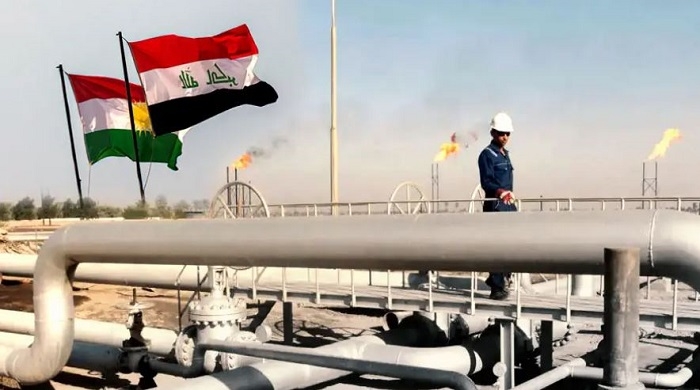
Erbil, Kurdistan Region – Iraq’s oil revenues could plummet to nearly zero if the Strait of Hormuz is closed, an energy expert has warned, calling for urgent action to restart oil exports through the Kurdistan Region’s pipeline to Turkey.
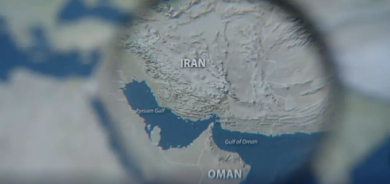
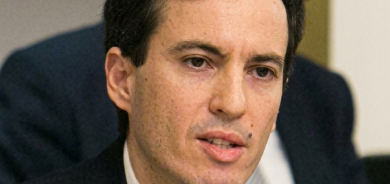
Dr. Govand Sherwani, in an interview with BasNews, highlighted that approximately 95% of Iraq’s oil exports pass through the Arabian Gulf. “If the Gulf route and the Strait of Hormuz are closed, Iraq will face a major crisis, with revenues approaching zero,” he said. The only overland alternative—a pipeline to Jordan—can transport just 100,000 barrels per day (bpd) and is sold at steep discounts.
Sherwani stressed that the only viable solution is resuming exports via the Iraq-Turkey pipeline, which runs through the Kurdistan Region to Ceyhan port. “The pipeline can handle up to one million bpd. While this is less than Iraq’s total daily exports of 3.3 million barrels, it would serve as a crucial alternative in an emergency,” he said.
He criticized the prolonged dispute between the Kurdistan Regional Government (KRG) and Baghdad, arguing that Iraq should have prioritized resolving the issue given recurring instability in the Gulf. “The closure of the Strait of Hormuz could push global oil prices above $100 per barrel, as 30% of the world’s oil passes through it,” Sherwani warned. “Iraq must act fast—this is a matter of political will.”
Kurdistan’s oil exports have been suspended since March 25, 2023, following an International Chamber of Commerce ruling in favor of Iraq against Turkey. The decision forced Ankara to halt independent KRG oil exports, cutting off roughly 400,000 bpd from international markets.
The stoppage intensified long-standing tensions between Erbil and Baghdad over oil management. The federal government insists all exports must go through its State Oil Marketing Organization (SOMO), while the KRG maintains its constitutional right to oversee regional resources. The impasse has severely strained Kurdistan’s finances, leading to delayed public sector salaries and rising unrest.
Throughout 2024 and early 2025, Iraq’s federal government and the KRG negotiated a new export mechanism. In January 2025, the Iraqi parliament approved amendments offering the KRG $16 per barrel to cover production and transport costs, while requiring sales through SOMO and third-party audits.
Though technical and legal arrangements were finalized by February 2025, Turkey has yet to grant final approval, citing unresolved commercial and technical issues. Meanwhile, Baghdad continues withholding portions of the KRG’s budget, claiming Erbil has not fully complied with federal demands.
Sherwani urged both sides to resolve the deadlock, emphasizing that further delays could prove disastrous. “The obstacles are no longer technical—they are political,” he said. “If Iraq waits until a regional crisis shuts down the Strait of Hormuz, it will be too late to act.”