Iran Claims Possession of Israeli Nuclear Secrets as Europe Pushes for UN Sanctions
Iran has announced plans to release what it claims is a trove of sensitive Israeli nuclear documents, a move seen as an attempt to divert attention from its own controversial nuclear program. The announcement comes as European powers prepare to push for a UN vote this week to reimpose sanctions on Tehran.
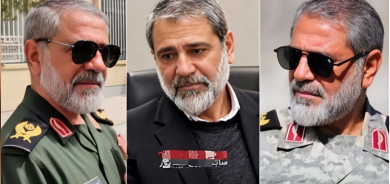
Iran’s Intelligence Minister, Esmail Khatib, stated on Sunday that Tehran had obtained a "vast collection of strategic and sensitive [Israeli] documents, including plans and data on nuclear facilities." He suggested that evidence would be released soon and hinted at a connection to the recent arrests of two Israeli nationals, Roi Mizrahi and Almog Attias.
However, skepticism remains even within Iran about the authenticity of these claims. Analysts suggest the announcement may be a strategic warning to Israel, which has repeatedly threatened military action against Iran’s nuclear sites. By alleging possession of Israeli nuclear secrets, Tehran may be signaling its ability to retaliate effectively.
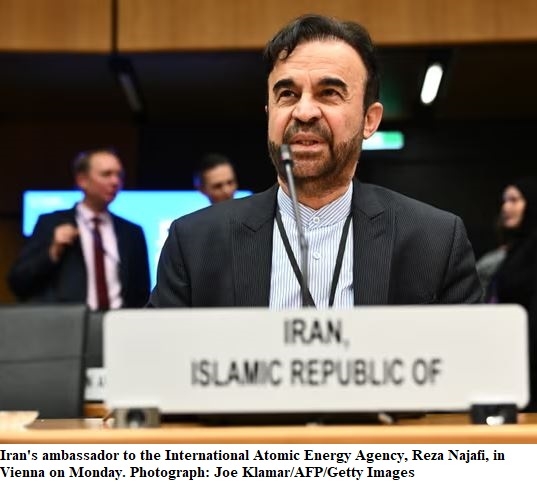
Meanwhile, European powers—France, Germany, and the UK—are preparing to call for a vote at the International Atomic Energy Agency (IAEA) board meeting in Vienna, which begins Monday. They will cite a 20-page IAEA report detailing Iran’s violations of the 2015 nuclear deal, including its refusal to address long-standing questions about past nuclear activities.
The report reveals that Iran has enriched 400kg of uranium to 60% purity, nearing weapons-grade levels—enough for an estimated 10 nuclear bombs. Additionally, Iran’s uranium stockpile has surged by 50% since March.
If the IAEA board declares Iran in breach of its safeguards obligations, it would mark the first such finding since 2005 and pave the way for UN sanctions to be reinstated in October, when the 2015 deal expires. Notably, Russia and China cannot veto the sanctions under the deal’s terms.
Iran has warned of countermeasures if the IAEA censures it, including restricting UN inspectors’ access and accelerating uranium enrichment. Behrouz Kamalvandi, spokesperson for Iran’s Atomic Energy Organization, stated that since the last IAEA reprimand, Tehran has increased 60% enriched uranium production sevenfold and deployed 20 advanced centrifuge cascades.
Iranian Foreign Minister Abbas Araghchi accused Europe of manufacturing a crisis, warning that Tehran would "react strongly" if its rights were violated.
The US and Iran have yet to resume negotiations over Tehran’s nuclear program, with the key dispute being whether Iran can continue domestic uranium enrichment—a point of national sovereignty for Tehran. The US insists enrichment must halt entirely to prevent nuclear weapon development.
Despite pulling out of the 2015 deal in 2018, former President Donald Trump reportedly set a 60-day deadline for talks, expiring on June 11. However, past deadlines have been flexible.
IAEA Director General Rafael Grossi expressed belief in both sides’ sincerity, while Russian President Vladimir Putin offered to mediate. One proposed solution involves Iran temporarily suspending enrichment, as it did in 2004-05, with Russia possibly storing its uranium stockpile.