Syria Signs $7 Billion Energy Deal to Boost Power Supply, Achieve Self-Sufficiency
In a major step toward rebuilding its war-torn energy sector, Syria signed a $7 billion agreement on Thursday with a consortium of American, Qatari, and Turkish companies to develop power plants that will add 5,000 megawatts (MW) to the national grid, aiming to achieve electricity self-sufficiency within three years.
The deal, announced by Syria’s Foreign Ministry, includes the construction of four gas-fired combined cycle power plants and the country’s first large-scale solar power plant, with a capacity of 1,000 MW, in southern Syria. The project will utilize American and European technologies to modernize Syria’s energy infrastructure.
The consortium is headed by Qatar’s UCC Concession Investments and includes Turkey’s Kalyon GES Enerji Yatirimlari and Cengiz Enerji, along with Power International USA.
Ramez al-Khayyat, President of UCC, stated, *“With these 5,000 megawatts, Syria will be completely self-sufficient in electricity within three years.”* He added that Syria is also working on grid connections with neighboring countries to potentially export surplus power in the future.
The project will be implemented under a build-operate-transfer (BOT) model, where private companies will construct and operate the facilities before eventually transferring ownership to the Syrian government. Power purchase agreements are expected to take effect once final terms are settled.
The gas plants are projected to be completed within three and a half years, while the solar plant is set to become operational in under two years.
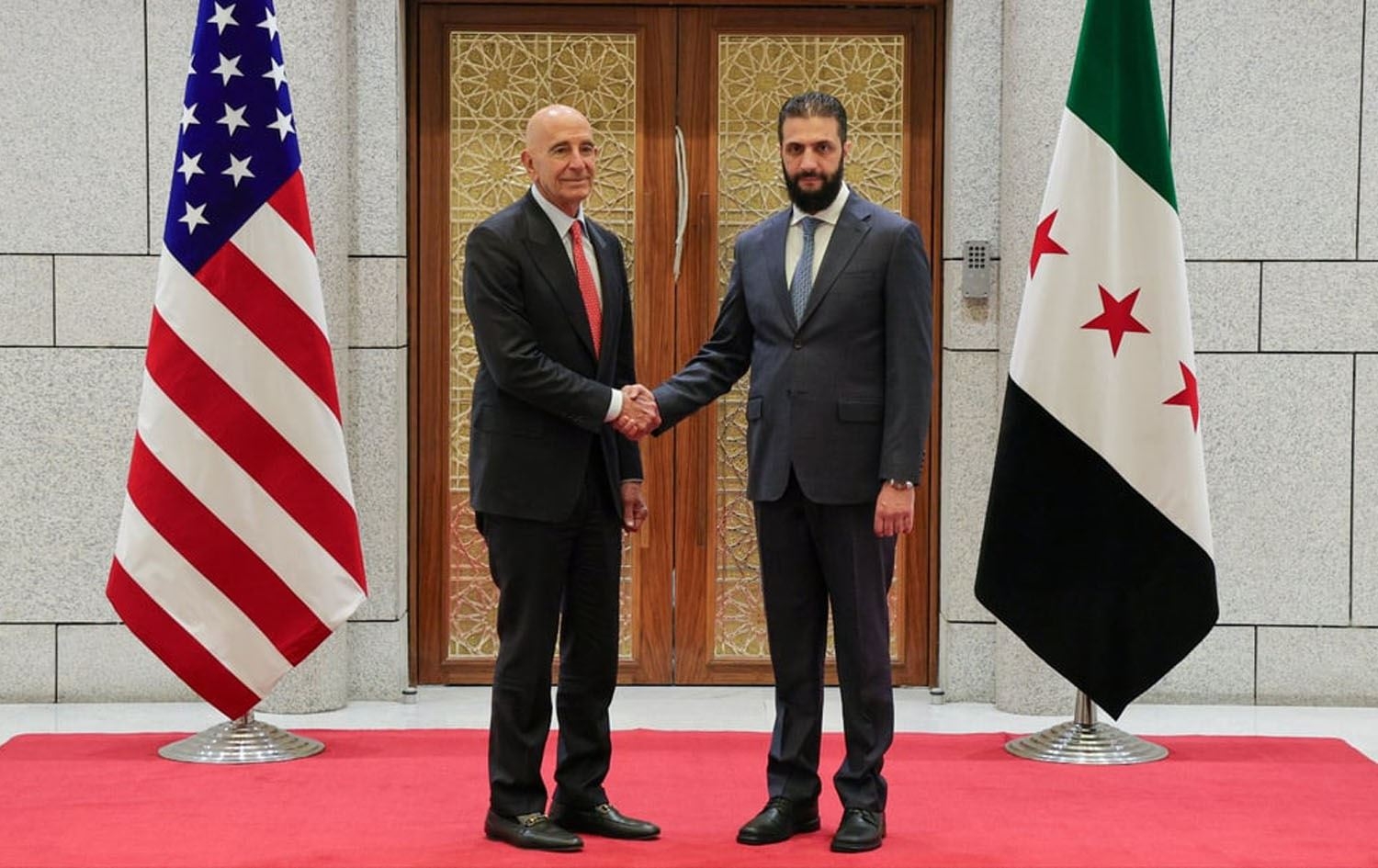
The signing ceremony in Damascus was attended by high-profile officials, including:
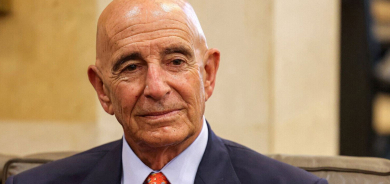
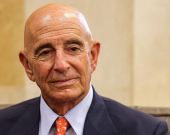
Thomas Barrack, US Special Envoy to Syria
Khalifa Abdullah Al-Mahmoud Al-Sharif, Chargé d’Affaires of the Qatari Embassy
Burhan Kuroglu, Turkish Ambassador to Syria
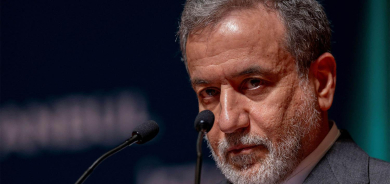
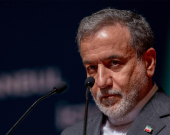
Syrian Energy Minister Mohammad al-Bashir emphasized that gas supplies for the new plants will come from pipelines linked to Jordan and Turkey. “This will enable our power stations to operate efficiently, and electricity generation time will significantly increase,” he said.
Syria has faced severe electricity shortages due to a damaged power grid after years of civil war, fuel shortages, and economic crises. The interim government hopes that easing international sanctions will accelerate economic recovery and support postwar reconstruction.
This landmark energy deal marks a significant step toward stabilizing Syria’s power supply and reducing reliance on imports, while also signaling growing international investment in the country’s rebuilding efforts.