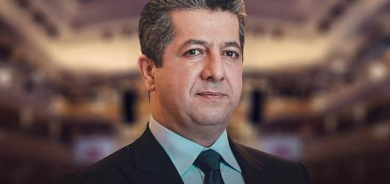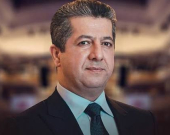
Nahro Rwandzi, Deputy Chairman of Iraq's Oil and Gas Committee, to Gulan: "Baghdad's Oil Blockade Has Cost Iraq $24 Billion"
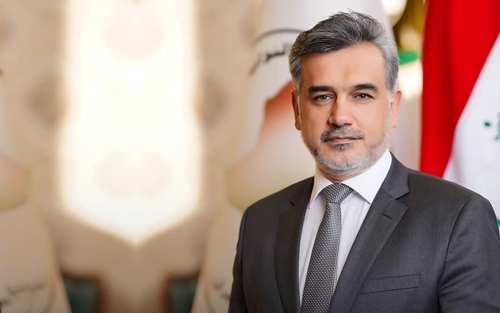
ERBIL, Kurdistan Region – Iraq has lost an estimated $24 billion over the past 27 months due to a federal blockade on Kurdistan’s oil exports, according to Nahro Rwandzi, Deputy Chairman of Iraq’s Oil and Gas Committee. In a bombshell interview with Gulan Magazine, Rwandzi accused Baghdad of waging an “economic war” against the Kurdistan Region, alleging deliberate fuel shortages and discriminatory oil policies.
Rwandzi said that the Iraqi government is intentionally paralyzing the Kurdistan Region’s oil industry to gain political leverage. “They want us to beg for our own oil. We won’t,” he stated, referring to Baghdad’s restrictions on Kurdistan’s ability to refine or export its own oil, despite producing 280,000 barrels per day (bpd).
In an effort to ease fuel shortages in the region, the Kurdistan Regional Government (KRG) requested 115,000 bpd for domestic refining. While Baghdad approved the allocation, it insisted that all revenues be returned to federal accounts—without any guarantee of fair fuel redistribution.
“They subsidize fuel in Basra but starve Erbil,” said Rwandzi, citing a 34% deficit in fuel deliveries to the Kurdistan Region compared to southern Iraq.
Rwandzi said he filed four separate lawsuits to enforce Iraq’s federal budget law and secure the region’s oil rights. All cases were rejected. “Baghdad ignores even its own courts when it comes to Kurdistan,” he added.
The ongoing halt of oil exports through Turkey has led to international legal battles. Iraq has been ordered by a Paris arbitration court to pay $1.5 billion in penalties, while Turkey is counter-suing for $700 million in damages over the suspension of the pipeline.
Gasoline shortages continue to disrupt daily life in Kurdish cities, with long queues at fuel stations and local refineries operating at just 40% capacity due to federal restrictions. Meanwhile, unpaid debts to international oil companies are raising concerns about future investment in Iraq’s energy sector.
Rwandzi issued a dire warning about Iraq’s economic future, listing three major threats:
Falling global oil prices (Iraq’s budget is 95% oil-dependent),
Growing influence of armed militias over Iraq’s oil infrastructure,
Kurdish MPs failing to hold the federal government accountable.
This is the first official acknowledgment of the $24 billion economic loss linked to the export freeze. The interview highlights systematic discrimination in fuel distribution and exposes a breakdown in federal-KRG relations that could have lasting economic and political consequences for Iraq.