U.S. Imposes New Sanctions on Iran Amid Intensifying Nuclear Talks
The United States on Monday announced a new round of sanctions targeting Iran’s nuclear program, as indirect negotiations between Washington and Tehran continue in Muscat, Oman.
The sanctions focus on three Iranian individuals and one entity linked to the Organization of Defensive Innovation and Research (SPND), a body described by the U.S. State Department as the “direct successor organization to Iran’s pre-2004 nuclear weapons program,” also known as the Amad Project.
In a statement, Secretary of State Marco Rubio emphasized that Iran continues to “substantially expand its nuclear program and carry out dual-use research and development activities applicable to nuclear weapons and nuclear weapons delivery systems.”
Rubio added that Iran remains the only country in the world without nuclear weapons that enriches uranium to 60 percent purity, a level considered dangerously close to weapons-grade.
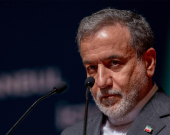
The sanctions came just a day after the fourth round of indirect nuclear talks between Iran and the U.S. in Muscat. Iranian Foreign Minister Abbas Araghchi characterized the recent discussions with U.S. Special Envoy Steve Witkoff as “significantly more serious,” signaling a possible shift in tone.
The U.S. Treasury Department’s action aims to freeze any U.S.-based assets held by the designated individuals and entity, and prohibits all American persons and companies from doing business with them.
According to the State Department, the targeted company—Fuya Pars Prospective Technologists, also known as Ideal Vacuum—is affiliated with SPND and has reportedly attempted to obtain, or fabricate domestically, equipment with possible applications in nuclear weapons development.
“These measures are intended to delay and degrade SPND’s capacity to advance nuclear weapons-related research,” Rubio said. “Today’s actions reaffirm the United States’ unwavering commitment to ensuring Iran never acquires a nuclear weapon.”
The sanctions mark the latest effort by the Biden administration to pressure Tehran back into compliance with the 2015 nuclear agreement, officially known as the Joint Comprehensive Plan of Action (JCPOA). Under the deal, Iran had agreed to restrict its nuclear activities in exchange for relief from economic sanctions.
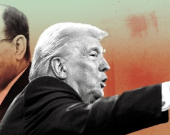
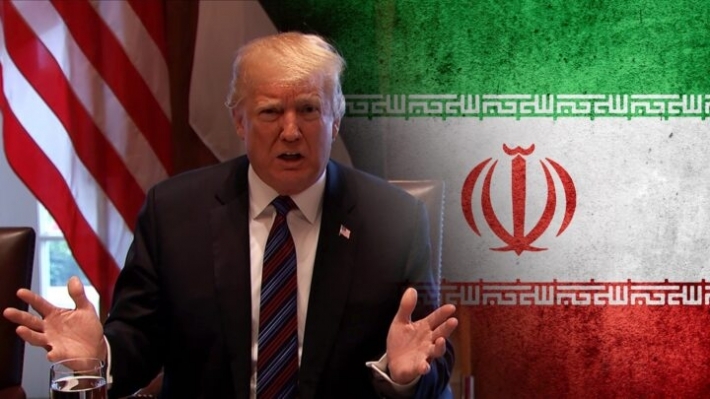
However, the JCPOA began to unravel in 2018 after then-President Donald Trump unilaterally withdrew the U.S. from the accord and reimposed heavy sanctions on Iran. In response, Tehran gradually scaled back its commitments under the agreement.
Despite increasing concerns over its enrichment activities, Iran continues to assert that its nuclear program is strictly for peaceful purposes and that the development of atomic weapons contradicts the Islamic Republic’s official doctrine.
As nuclear talks resume, the future of the JCPOA—and efforts to contain Iran’s nuclear ambitions—remain uncertain.