Kurdistan Region Registers Over 6,500 Archaeological Sites, Attracts International Teams
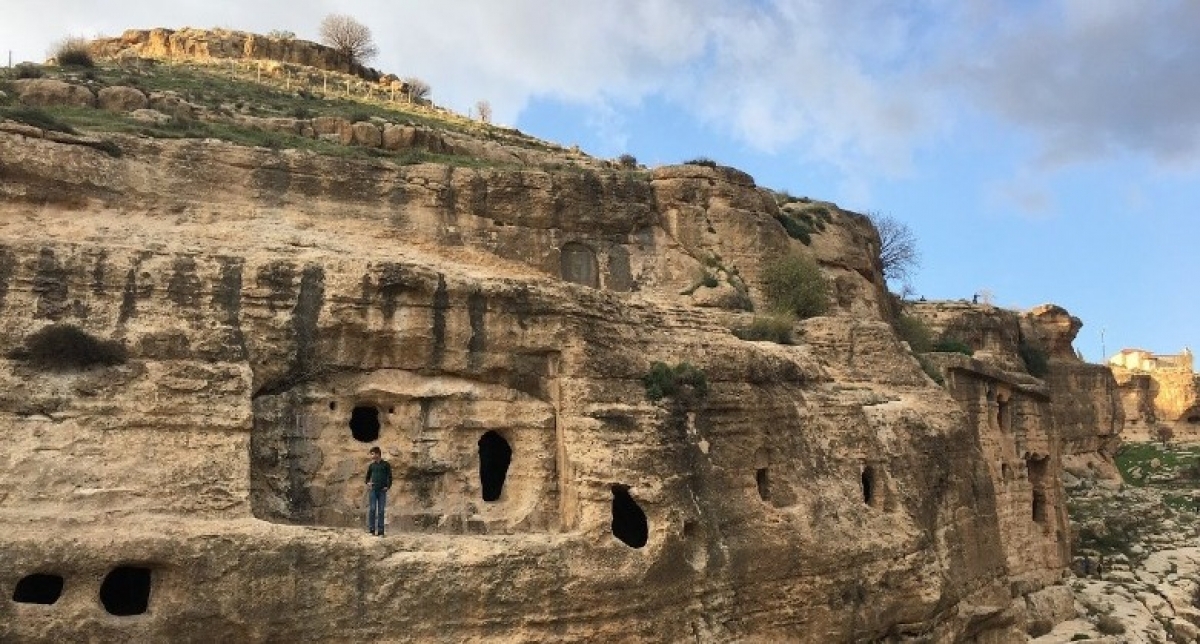
Erbil, Kurdistan Region – The Kurdistan Region has officially registered more than 6,500 archaeological sites, according to the General Directorate of Antiquities and Heritage. However, this figure does not include ancient houses, as they lack an official registration system.
Mohammed Lashkri, Director of Affairs of Antiquities and Heritage, told Kurdistan 24 that since 2009, 19 archaeological surveys have been conducted across the Region, covering approximately 55% of its territory. The remaining 45%, primarily in mountainous and politically sensitive areas, remains unexplored due to ongoing border and security challenges.
The Region continues to draw global attention, with between 20 and 30 foreign archaeological teams arriving annually, depending on academic schedules. "This year alone, we’ve signed three new contracts," Lashkri said.
Currently, three teams are working in Sulaymaniyah, four in Erbil, and seven in Duhok, with four additional teams recently approved—bringing the total to at least 18 active foreign missions. Most fieldwork occurs during summer when universities are on break.
Lashkri emphasized that the Kurdistan Region does not coordinate with Iraq’s federal government regarding heritage sites in areas under Article 140 of the Iraqi constitution—disputed territories claimed by both Erbil and Baghdad.
"The federal government cannot approach these sites; they are under our jurisdiction and will be managed by us," he stated firmly.
In a related development, Kovan Ihsan, an archaeologist at the Duhok Archaeological Directorate, confirmed 13 major archaeological sites in Amedi, a historic city in northern Duhok. These sites, spanning multiple historical periods, are officially recognized as Iraqi historical monuments.
"Amedi has a rich history, mentioned in texts as early as the 9th century BC," Ihsan said. "The Assyrian king Adad-Nirari II referred to it as ‘Son-Amed,’ highlighting its significance in ancient Mesopotamia."
Key sites include:
Kora Seriji – Features layered remains from different historical eras.
Amedi Gate – Displays early Christian architecture and Persian-era sculptures.
Zebar Gate – A lasting example of the city’s architectural heritage.
The growing number of registered sites and increasing international collaboration underscore the Kurdistan Region’s rising importance in Middle Eastern archaeology. Efforts continue to document and preserve its rich cultural legacy despite logistical and political challenges.