U.S. Congressional Delegation Reaffirms Support for Kurdistan in Meeting with PM Barzani
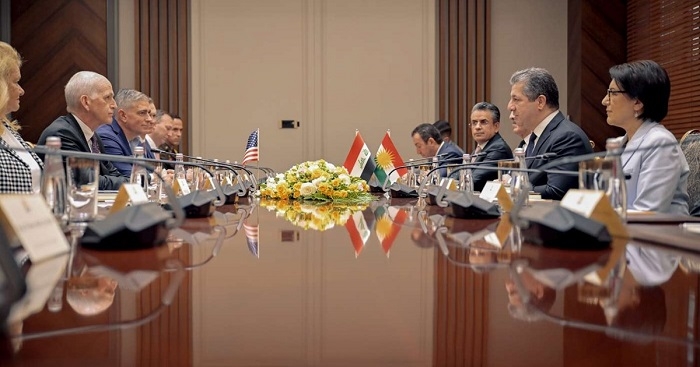
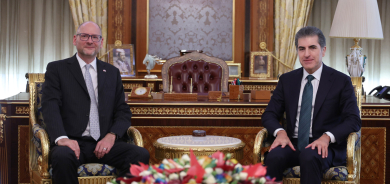
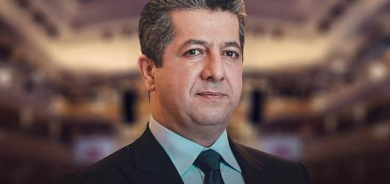
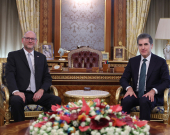
Erbil, Kurdistan Region - Prime Minister Masrour Barzani of the Kurdistan Regional Government (KRG) met with a high-level delegation from the United States Congress, including Representatives Adam Smith, Michael Baumgartner, Sarah Jacobs, Wesley Bell, and George Whitesides, along with their accompanying officials.
The discussions centered on strengthening U.S.-Kurdistan relations, regional stability, and key reforms in the Kurdistan Region.
Strengthening Strategic Ties
During the meeting, both sides emphasized the importance of the Kurdistan Region’s role in Iraq and the broader Middle East. The U.S. delegation reiterated Washington’s continued support for the KRG and its Peshmerga forces, highlighting the strategic partnership between the two sides.
Prime Minister Barzani expressed gratitude for the U.S. government’s ongoing assistance and outlined the KRG’s reform initiatives in critical sectors, including energy, electricity, and banking.
Key Issues Discussed
The meeting covered several pressing topics, including:
KRG-Federal Government Relations: Discussions focused on resolving outstanding issues between Erbil and Baghdad.
Resumption of Oil Exports: Both sides stressed the need to restart oil exports through the Iraq-Türkiye pipeline, a vital economic lifeline for the Kurdistan Region.
Regional Developments: The delegation and PM Barzani exchanged views on the situation in Syria and the peace process in Türkiye.
Government Formation: The importance of expediting the formation of a new KRG cabinet was underscored.
Commitment to Continued Cooperation
The U.S. congressional representatives emphasized their commitment to supporting the Kurdistan Region’s stability and development. Prime Minister Barzani welcomed the continued partnership, stating that such engagements reinforce bilateral ties and contribute to regional security.
The meeting reaffirmed the shared interest in maintaining strong U.S.-Kurdistan relations amid evolving geopolitical challenges in the Middle East.