U.S. and Iran to Hold High-Level Talks Amid Tensions Over Nuclear Program
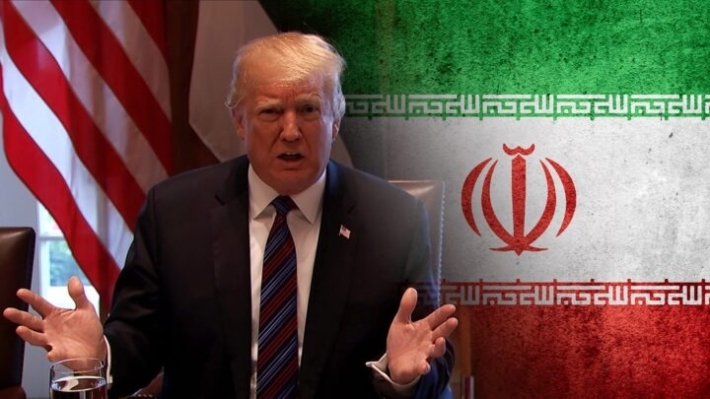
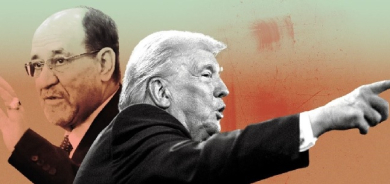
U.S. President Donald Trump announced plans for high-level discussions with Iran, signaling a potential shift in strained relations between the two nations. The talks, set to take place this Saturday, will be hosted by Oman and conducted at an "almost the highest level," Trump said.
However, the U.S. president tempered expectations, warning that Iran would face "great danger" if the negotiations fail. "Iran cannot have a nuclear weapon," Trump stated. "If the talks aren’t successful, I actually think it will be a very bad day for Iran."
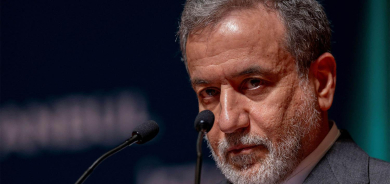
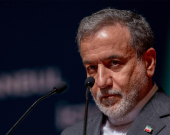
Iranian Foreign Minister Abbas Araghchi confirmed the discussions but described them as "indirect high-level" talks, emphasizing that the outcome depends on U.S. actions. "It is as much an opportunity as it is a test," Araghchi posted on X. "The ball is in America's court."
Netanyahu Warns Against Iranian Nuclear Ambitions
The announcement came as Trump hosted Israeli Prime Minister Benjamin Netanyahu, a vocal critic of Iran’s nuclear program. Netanyahu reiterated that Iran must not obtain nuclear weapons, calling it a threat to regional stability.
A History of Stalled Negotiations
The upcoming talks mark a rare diplomatic engagement after years of hostility. The last known direct negotiations occurred under former President Barack Obama, who brokered the 2015 Iran nuclear deal (JCPOA). Trump withdrew the U.S. from the agreement in 2018, prompting Iran to abandon its commitments.
Under President Joe Biden, indirect talks failed to revive the deal. Recently, Iranian President Masoud Pezeshkian ruled out direct negotiations on Tehran’s nuclear program, insisting the U.S. must first correct its "misconduct" and rebuild trust.
As tensions persist, the world watches to see if these talks will ease the standoff—or escalate it further.