Kurdistan Regional Government Considers Reducing Electricity Prices Under Ronaki Project
Erbil, Kurdistan Region – The Kurdistan Regional Government (KRG) is set to discuss potential reductions in electricity prices under the Ronaki Lighting project, following complaints from citizens about high costs.
The Ronaki initiative, launched in October 2024, aims to provide 24-hour electricity to neighborhoods across Erbil, Sulaymaniyah, Duhok, and Halabja. While the project has already benefited over 415,000 residents, some have raised concerns over pricing, prompting government action.
Proposal for Lower Electricity Tariffs
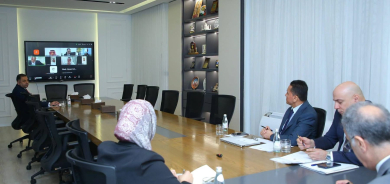
Sources within the KRG revealed that the Ministry of Electricity has prepared a proposal to lower electricity prices under the Ronaki scheme. The plan will be presented during an upcoming Council of Ministers meeting this week.
A ministry official stated that the proposal aligns with public demands, emphasizing that reducing costs would serve the best interests of citizens. "The government's priority is to ease the financial burden on households, allowing them to pay less for reliable electricity instead of relying on expensive national grid bills and private generators," the source said.
Environmental and Economic Benefits
The Ronaki project has already led to the removal of around 600 private generators, significantly reducing pollution and noise in urban areas. Officials highlighted that the initiative was never intended to boost government revenues but rather to provide affordable and sustainable power.
Currently, the project operates in 26 neighborhoods in Erbil, seven in Sulaymaniyah, and two in Duhok, with plans for further expansion. The KRG aims to ensure 24-hour electricity access across the entire Kurdistan Region by the end of 2026.
Leadership’s Commitment to Reliable Electricity
KRG Prime Minister Masrour Barzani announced the Ronaki Lighting project on October 17, 2024, as part of broader efforts to improve infrastructure and public services. The potential price reduction marks a responsive step to citizen feedback, reinforcing the government’s commitment to accessible and affordable utilities.
Further updates are expected following the Council of Ministers' meeting later this week.