Barbara Slavin to Gulan: As always in the Middle East, things can get worse and often do
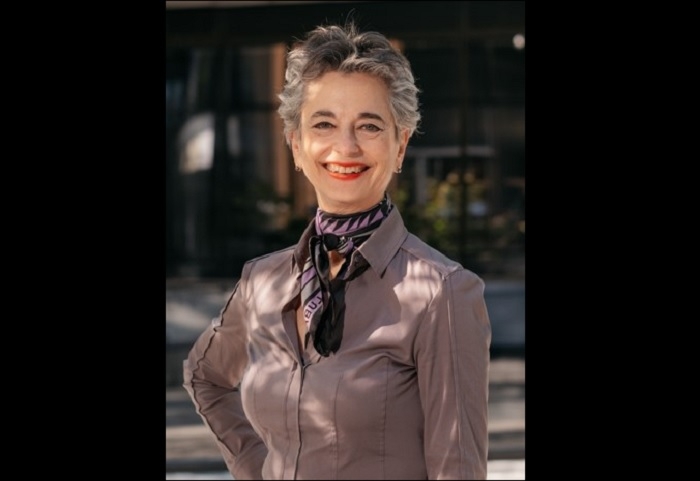
Barbara Slavin is a distinguished fellow at the Stimson Center in Washington and a lecturer in international affairs at George Washington University. Prior to joining Stimson, she founded and directed the Future of Iran Initiative at the Atlantic Council and led a bi-partisan task force on Iran. The author of Bitter Friends, Bosom Enemies: Iran, the US and the Twisted Path to Confrontation (2007), she is a regular commentator on US foreign policy and Iran on NPR, PBS and C-Span. A career journalist, Slavin served as a columnist for Al-Monitor; assistant managing editor for world and national security at the Washington Times; senior diplomatic reporter for USA Today; Cairo and Beijing correspondent for The Economist and as an editor at the New York Times Week in Review. She covered such key foreign policy issues as the US-led ‘war on terrorism,’ policy toward ‘rogue’ states, the Iran-Iraq war and the Arab-Israeli conflict. She has traveled to Iran nine times. Slavin also served as a public policy scholar at the Woodrow Wilson International Center for Scholars, where she wrote Bitter Friends, and as a senior fellow at the US Institute of Peace, where she researched and wrote the report, Mullahs, Money and Militias: How Iran Exerts Its Influence in the Middle East. In a written interview, she answered our questions like the following:
Gulan: To what extent the strategic landscape of the Middle East has been drastically changed, especially with regard the receding of Iran’s influence? And how to do characterize the enfeeblement of Iran, is it a strategic setback, or is it temporary retreat?
Barbara Slavin: Combining these two questions, I would say that Iran has been seriously weakened but that it retains strengths including its ideological and religious affinity with many factions and ethnic minorities in the Arab and Muslim world. It still has strong ties with militia groups and political actors in Iraq and some links to Alawite, Shia and Kurdish factions in Syria, where the situation remains unsettled. In addition, the Houthis have become the most active member of the so-called Axis of Resistance since the Oct 7 2023 Hamas attacks on Israel and the setbacks experienced by Hamas and Hezbollah.
Gulan: How do you assess the seriousness and the effectiveness of Mr. Trump’s threats against Iran? And do you expect than Iran will be pragmatic enough and somehow succumb to the pressure and weather the storm, or some military clash is inescapable?
Barbara Slavin:This is classic Trump: a combination of flattery and threats. I don’t believe either side wants a military confrontation but I question their ability to reach a significant agreement. More likely are minor de-escalatory steps as we saw under the Biden administration.
Gulan: Iraq also is facing pressure by US to decouple -so to speak- its linkage with Iran, what choices Iraq has in this regard, and what would be the best course of action for this country to pursue, given its disadvantageous position vis-à-vis USA?
Barbara Slavin:I doubt that Iraq can fully decouple but it is making an effort to look less beholden to Tehran by trying to incorporate the PMUs and improving relations with the GCC and Turkey. Baghdad will keep a tight lid on the PMUs for now and try to avoid provoking Trump.
Gulan: Obviously, the Middle East is undergoing a profound and fateful shift, is this a moment to set this region on the path of enduring stability, or a perfect storm has gathered, and this region should brace for more disintegration and dismay?
Barbara Slavin: As always in the Middle East, things can get worse and often do. However, on the plus side, the GCC states are trying to act as a bridge between parties and are urging Trump (and Israel) not to start a war with Iran. China and Russia are also urging caution. Trump is making his first overseas trip to Saudi Arabia and given his affinity with that country and its leader, I expect that he will listen to what MBS has to say on Iran. On the other hand, the plight of the Palestinians worsens by the day and it seems no one is doing anything to stop the killing and ethnic cleansing. As long as that conflict continues, the Middle East will not be ‘stable’ or secure.