Iraq Repatriates 700 ISIS-Linked Nationals from Syria’s al-Hol Camp
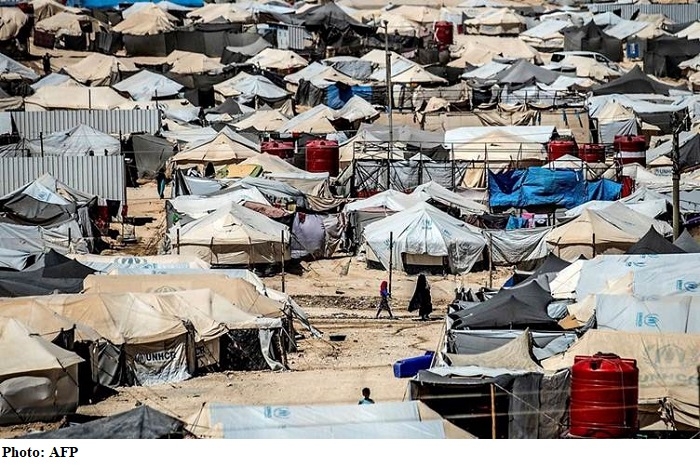
The Iraqi government has repatriated nearly 700 nationals associated with the Islamic State (ISIS) from the al-Hol camp in northeast Syria, marking its latest effort to address the controversial issue of returning jihadist-linked families.
24th Batch of Returnees
A spokesperson for Iraq’s Ministry of Migration and Displacement, Ali Abbas, confirmed to Rudaw on Wednesday that 168 families—totaling 681 individuals—were brought back on Saturday. This marks the 24th such repatriation since Iraq began returning its citizens from the Kurdish-administered camp.
However, authorities have not disclosed the total number of Iraqis repatriated so far, nor the exact figure still remaining in al-Hol. Estimates vary, with Abbas suggesting around 16,000 Iraqis remain, while Saad al-Jayashi, an advisor to Iraq’s National Security Council, placed the number at over 14,000 late last month.
al-Hol: A Lingering Crisis
The al-Hol camp, housing roughly 40,000 ISIS-affiliated detainees, is predominantly filled with Iraqis and Syrians. Described as a potential breeding ground for extremism, the camp has raised international concerns over radicalization and humanitarian conditions.
Debate Over Reintegration
The return of ISIS-linked families remains deeply divisive in Iraq, where the group committed widespread atrocities during its 2014-2017 occupation of northern and western regions. While some tribal leaders support reintegrating women and children who were not directly involved in violence, others oppose accepting any former ISIS affiliates.
Iraqi officials have emphasized a case-by-case approach, with security screenings conducted before repatriation. Yet, the lack of transparency around rehabilitation programs and legal accountability for suspected militants continues to fuel public skepticism.
Regional and Security Implications
The repatriations come as Iraq struggles to balance security concerns with international pressure to resolve the al-Hol crisis. With thousands still stranded, the slow-paced returns highlight the enduring challenges of addressing the legacy of ISIS—both for Iraq and the broader region.