Kurdish Leader Qazi Muhammad Remembered on 78th Anniversary of His Execution
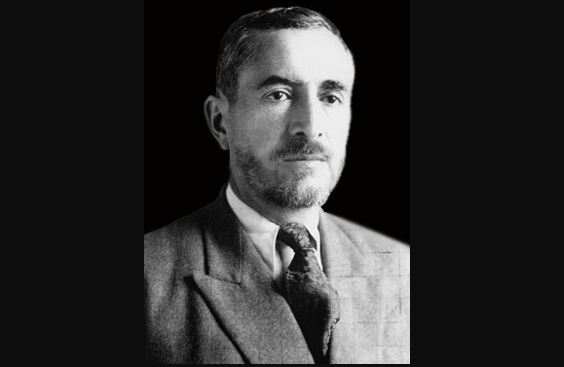
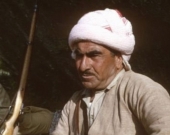
Today marks the 78th anniversary of the execution and martyrdom of Qazi Muhammad, the president of the Republic of Kurdistan. His execution on March 31, 1947, in Mahabad, following a show trial, remains a tragic yet defining moment in Kurdish history. This report revisits the life, leadership, and legacy of Qazi Muhammad and the brief yet momentous existence of the Kurdish Republic.
The Republic of Kurdistan and Qazi Muhammad’s Leadership
On January 22, 1946, the Republic of Kurdistan was declared in Mahabad, Eastern Kurdistan. The republic, led by Qazi Muhammad, was a significant milestone in Kurdish nationalist aspirations, advocating for autonomy within Iranian borders. The administration prioritized education, language rights, and cultural development, making Kurdish the official language and fostering economic and diplomatic relations with neighboring entities.
As the first president of the republic, Qazi Muhammad symbolized the Kurdish struggle for self-determination. He was deeply committed to the principles of democracy and Kurdish unity, striving to establish an independent and self-sustaining Kurdish state. His leadership was characterized by efforts to negotiate with the Iranian government for recognition of Kurdish autonomy.
The Fall of the Republic and Qazi Muhammad’s Execution
Despite its peaceful objectives, the Republic of Kurdistan faced opposition from the Iranian government, which, with British and American support, launched a military campaign to dismantle the republic. Negotiations for peaceful resolutions were rejected by Tehran, leading to the forced reoccupation of Mahabad and the subsequent arrest of Qazi Muhammad and other Kurdish leaders.
Qazi Muhammad’s trial was widely regarded as politically motivated and unjust. He stood firm in his beliefs, refusing to renounce his commitment to Kurdish independence. On March 31, 1947, he was executed by hanging in Chwar Chira Square—the very place where the Republic of Kurdistan had been proclaimed. Alongside him, his cousin Muhammad Hussein Khan Saif Qazi and his brother Abu al-Qasim Sadr Qazi also met their fates, achieving martyrdom in the eyes of the Kurdish people.
The Legacy of Qazi Muhammad
Born in 1901 in Mahabad, Qazi Muhammad hailed from an esteemed family known for its commitment to Kurdish nationalism. He was a highly educated leader, proficient in multiple languages, including Arabic, Turkish, Persian, French, English, and Russian. Despite his privileged background, he remained deeply connected to the struggles of his people, advocating for education and social justice.
His martyrdom cemented his place as one of the most revered figures in Kurdish history. His famous words, spoken before his execution—"I welcome this honorable death for the freedom of my people"—continue to inspire Kurdish activists and politicians to this day. His commitment to nonviolent resistance, negotiation, and diplomacy remains a guiding principle for contemporary Kurdish movements.
The story of Qazi Muhammad and the Republic of Kurdistan serves as a powerful reminder of the resilience and aspirations of the Kurdish people. Seventy-eight years after his execution, his vision of an autonomous Kurdistan continues to inspire movements for Kurdish rights across the region. His legacy, deeply embedded in Kurdish history, reflects the ongoing struggle for freedom, dignity, and self-determination.
As we commemorate this solemn anniversary, the memory of Qazi Muhammad stands as a testament to the sacrifices made in the pursuit of justice and national identity. His dream of a free and united Kurdistan remains an enduring aspiration for future generations.