APIKUR Rejects Iraqi Oil Ministry’s Unilateral Contract Changes, Warns of Prolonged Export Halt
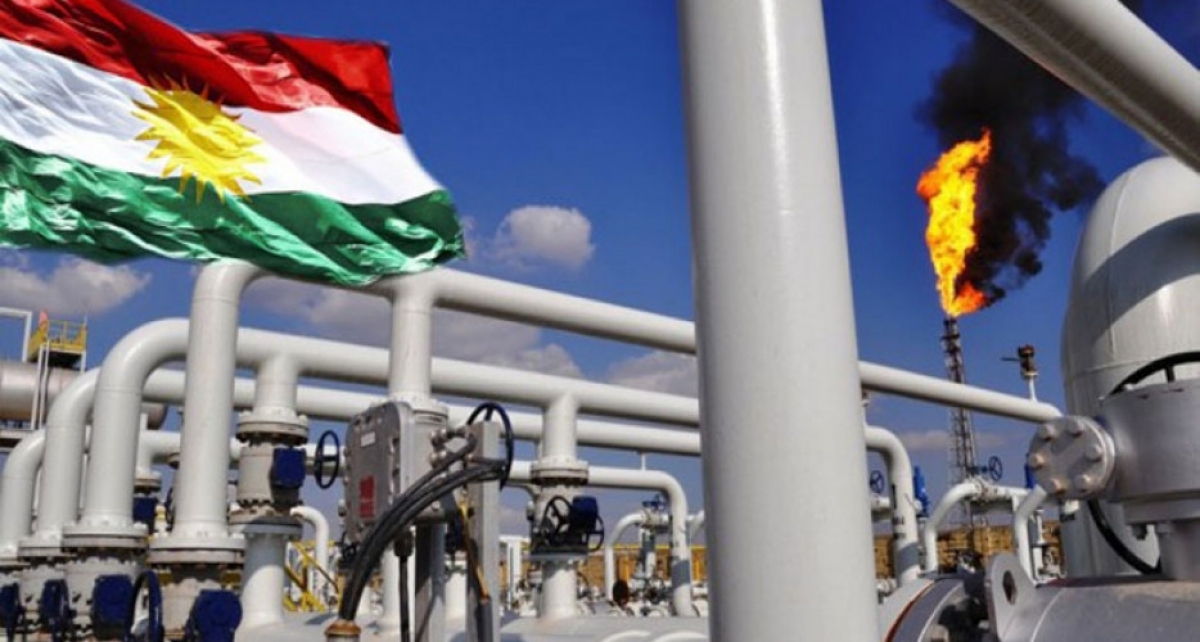
The Association of the Petroleum Industry of Kurdistan (APIKUR) has accused the Iraqi Ministry of Oil of refusing to honor legally binding contracts with international oil companies (IOCs) in the Kurdistan Region, jeopardizing the resumption of oil exports through the Iraq-Turkey pipeline.
Dispute Over Contract Terms
APIKUR, representing major oil firms operating in the Kurdistan Region, stated that despite ongoing negotiations with the Iraqi government—including direct talks with Prime Minister Mohammed Shia’ al-Sudani’s office—the Oil Ministry has shown no willingness to uphold existing agreements. Instead, Baghdad is reportedly pushing for unilateral changes to the economic terms of contracts signed between IOCs and the Kurdistan Regional Government (KRG).
“The Ministry of Oil’s approach undermines the sanctity of contracts,” APIKUR said in a statement. “We categorically reject any attempts to alter valid agreements without mutual consent.”
No Exports Without Guarantees
APIKUR declared that its member companies will not resume oil exports unless the Iraqi government provides:
A clear commitment to honor existing contracts
Payment guarantees for past and future exports
The association warned that without these assurances, the pipeline—which previously carried 450,000 barrels per day (bpd)—will remain shut, further straining Iraq’s economy and deepening tensions between Erbil and Baghdad.
Economic Fallout
The Iraq-Turkey pipeline has been idle since March 2023 due to legal and political disputes between the KRG and the federal government. The prolonged halt has already cost Iraq billions in lost revenue, with global energy markets feeling the ripple effects.
Observers fear that the deadlock could worsen Iraq’s financial stability at a time of rising global oil demand. Meanwhile, KRG officials have urged Baghdad to engage in good-faith negotiations to avoid further economic damage.
What’s Next?
With APIKUR taking a firm stance and Baghdad refusing to budge, hopes for a swift resolution are fading. The standoff risks not only prolonging the export stoppage but also escalating political tensions between the Kurdistan Region and the federal government.
As international oil companies weigh their options, the ball remains in Iraq’s court—will it uphold its contracts or risk a prolonged shutdown?