Over Half of Iraqi Nationals Repatriated from al-Hol Camp in Northeast Syria, Rehabilitation Efforts Underway
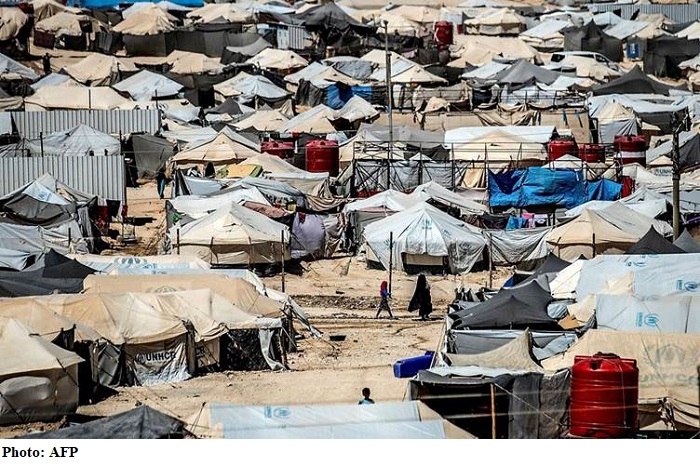
An advisor to the Iraqi National Security Advisory revealed on Saturday that approximately half of the Iraqi nationals living in the al-Hol camp in northeast Syria (Rojava) have been repatriated, with the majority undergoing rehabilitation.
Saad al-Jayashi, the advisor, told Rudaw that more than 14,000 Iraqis remain in al-Hol camp, while nearly 15,000 have already been returned to Iraq and rehabilitated at the al-Jada camp in Nineveh province. The repatriation process is being carried out in coordination between the Kurdish-led administration in Rojava and the Iraqi government.
In January, Iraq’s Ministry of Migration and Displaced Persons announced plans to repatriate all Iraqi nationals held in camps for individuals linked to the Islamic State (ISIS) in northeast Syria, in line with an agreement with the United Nations. However, the return of ISIS-affiliated citizens has faced opposition from some tribes and communities unwilling to accept individuals associated with the group, which committed widespread human rights abuses and war crimes during its control of large parts of Iraq from 2014 to 2017.
Returnees are taken to the al-Jada camp in Nineveh, where they undergo a rehabilitation process led by experts focusing on psychological health, particularly for children, with the aim of countering radical ideologies.
“Our objective is to return Iraqi families from the [Syrian] camp and integrate them into society as soon as possible,” Jayashi said. He added that nearly 10,000 people have been rehabilitated and returned to their home provinces, while approximately 5,000 others are currently undergoing rehabilitation at al-Jada camp.
Al-Hol camp, which houses around 40,000 individuals with ties to ISIS, has been described as a breeding ground for terrorism. The majority of its inhabitants are Iraqis and Syrians. The repatriation and rehabilitation efforts are part of Iraq’s broader strategy to address the challenges posed by returning ISIS-linked individuals and their families, while ensuring their reintegration into society.
The process remains complex, balancing national security concerns with the need for humanitarian support and community reconciliation.