Iraq Suspends Merger of IDP Camps in Kurdistan Region Due to Lack of Funds
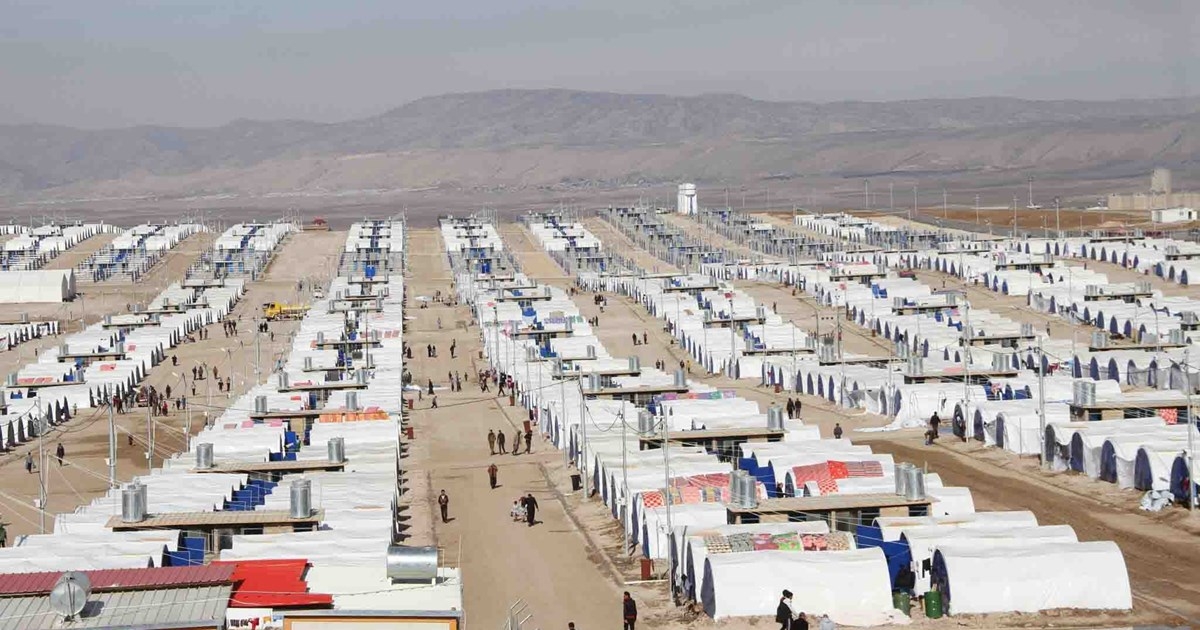
Erbil, Kurdistan Region – The Iraqi Ministry of Migration and Displaced announced on Saturday that the merger of camps for internally displaced persons (IDPs) in the Kurdistan Region has been suspended due to a lack of funds. This comes as the federal government in Baghdad continues to encourage displaced families to return to their hometowns.
Ministry spokesperson Ali Abbas told Rudaw that the merger plan, which aimed to consolidate several IDP camps in the Kurdistan Region where “only a small number of families remain,” has been put on hold. “This process requires money to provide the necessary supplies, and currently, due to the budget schedule not being approved, this work has been suspended,” Abbas explained.
The Iraqi parliament has yet to approve budget allocations for 2023, leaving critical initiatives, including support for IDPs, in limbo. Abbas noted that approximately 23,000 families remain in camps in Erbil and Duhok provinces, though the rate of returns has slowed significantly. According to United Nations figures, around 109,000 displaced Iraqis are still living in 21 camps across the Kurdistan Region.
Compensation promised by Baghdad to families willing to return to their homes has also been paused due to financial constraints, further slowing the return process. Last year, the Iraqi government pledged four million dinars (about $3,050) to each returning family as part of a broader package of incentives. These measures also include job opportunities in the public and private sectors, monthly social security stipends for low-income individuals, and interest-free bank loans.
However, many families remain hesitant to leave the camps due to ongoing violence in their home areas, a lack of reconstruction, and insufficient basic services. Some who voluntarily left the camps have been forced to return due to these challenges.
The Kurdistan Region’s IDP camps are also grappling with funding shortages as the humanitarian focus shifts from emergency response to long-term development and stabilization. Human rights advocates have raised concerns about Iraq’s push to close the camps, emphasizing that returns must be safe, voluntary, and dignified.
Despite Baghdad’s efforts, the combination of financial constraints, security concerns, and inadequate infrastructure continues to hinder the return of displaced families. As the budget remains unapproved, the future of Iraq’s IDPs hangs in the balance, with thousands still reliant on camp resources for survival.