Syrian Interim Government Faces Criticism Over Delayed Salary Increases for Civil Servants
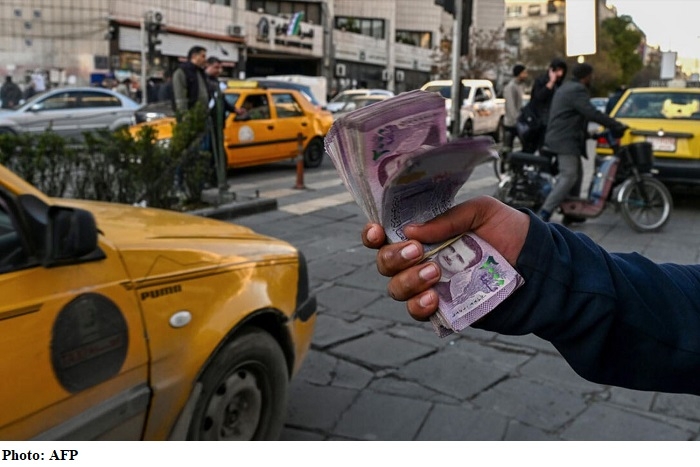
A Syrian economist has sharply criticized the country’s interim government for failing to deliver on its promise of a 400 percent salary increase for civil servants, nearly four months after the decision was announced. The delay has left many public sector workers unpaid, exacerbating economic hardships in the war-torn nation.
The interim government, which took power following the fall of the Bashar al-Assad regime on December 8, 2024, has struggled to meet its financial obligations, including paying civil servants' salaries. In early January, the administration announced a plan to increase salaries by 400 percent in response to soaring inflation and the deteriorating economic situation. However, the implementation of this decision has been repeatedly delayed.
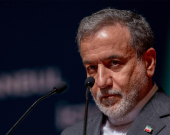
Syrian Trade Minister Maher Khalil al-Hasan had assured in January that the salary increase would take effect within "days, not a long time." Yet, economist Khorshid Elika told Rudaw that the government has not only failed to deliver the promised raise but has also neglected to pay outstanding salaries.
“The Syrian interim government had promised to increase civil servants' salaries by 400 percent, but so far, they have not even paid the previous salaries to civil servants,” Elika said.
According to Elika, Syria has approximately 1.3 million civil servants, of whom 900,000 are currently not receiving their salaries. An additional 400,000 have reportedly been dismissed from their jobs under various pretexts, further straining the livelihoods of countless families.
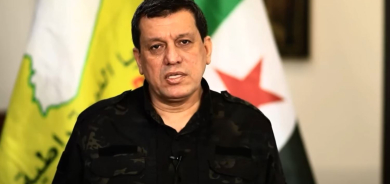
In contrast, the Democratic Autonomous Administration in North and East Syria (DAANES) has managed to pay its civil servants and employees regularly, Elika noted, highlighting the disparity in governance between the regions.
The interim government had reportedly secured financial support from Qatar to fund the salary increases. However, U.S. sanctions on Syria have complicated the transfer of funds, creating significant obstacles. Since assuming power, the new leadership in Damascus has called for the lifting of international sanctions, arguing that they hinder the country’s economic recovery.
Observers, however, have urged the international community to link any sanctions relief to concrete benchmarks, including commitments to an inclusive political process and tangible reforms.
The delay in salary payments and the failure to implement the promised increase have deepened public frustration, with many civil servants struggling to make ends meet amid skyrocketing prices and a collapsing economy. The interim government now faces mounting pressure to address these challenges and restore public trust.
As Syria continues to navigate its post-Assad transition, the plight of its civil servants underscores the urgent need for effective governance and international support to stabilize the country’s economy and pave the way for long-term recovery.