Kurdistan Oil Exports Remain Stalled Amid Lack of Formal Agreement with Iraqi Government
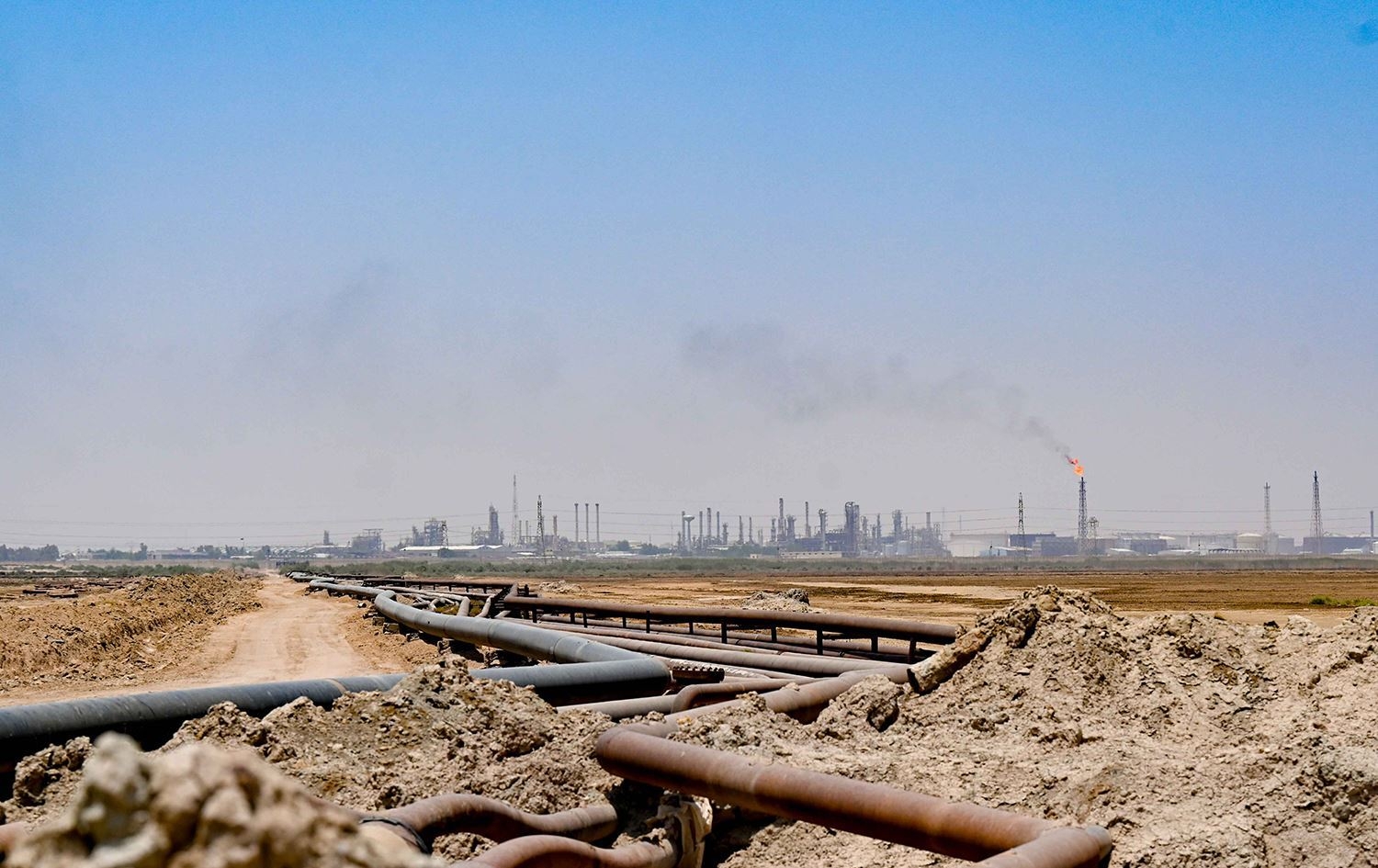
Oil companies operating in the Kurdistan Region have reiterated that the absence of a formal agreement with the Iraqi government continues to be the primary obstacle to resuming Kurdish oil exports, which have been halted for nearly two years. The issue was highlighted during recent discussions involving the Association of the Petroleum Industry of Kurdistan (APIKUR), the Iraqi oil ministry, and the Kurdistan Regional Government (KRG).
The Iraqi oil ministry had initially invited APIKUR, which represents eight oil companies operating in the Kurdistan Region, and the KRG’s natural resources ministry for a meeting in Baghdad on Tuesday. However, the meeting was postponed, and an unannounced meeting was held on Saturday instead.
Myles B. Caggins III, spokesperson for APIKUR, told Rudaw English on Tuesday that the postponement was not a major concern, adding that a second meeting might take place on Thursday. “APIKUR welcomes any meeting that involves all stakeholders [and] that will finalize all necessary agreements for oil exports to resume,” Caggins stated.
The conditions for resuming oil exports, as outlined by APIKUR on Friday, remain unchanged. The group emphasized that its member companies are prepared to restart exports immediately once formal agreements are reached. These agreements must ensure payment guarantees for both past and future exports, consistent with existing contractual, legal, and commercial terms.
In a statement on Friday, APIKUR said, “APIKUR member companies remain prepared to immediately resume exports as soon as formal agreements are reached to provide surety of payment for past and future exports consistent with our existing contractual legal and commercial terms. There has not yet been any outreach in this regard to APIKUR member companies.”
A key demand from the oil companies is reliable payment distribution under Iraq’s budget amendment, which requires Baghdad to pay $16 per barrel in production costs to the KRG. Caggins stressed that the companies seek compensation within their “commercial terms” as outlined in current contracts, which are backed by international law and have been tested in Iraqi courts. “We must have guarantees that these payments will occur,” he added.
Oil exports from the Kurdistan Region through the Iraq-Turkey pipeline were halted in March 2023 following a ruling by a Paris-based arbitration court. The court ruled in favor of Iraq against Turkey, stating that Ankara had violated a 1973 pipeline agreement by allowing the Kurdistan Region to begin independent oil exports in 2014.
In February, Iraqi Prime Minister Mohammed Shia’ al-Sudani stated that Baghdad aimed to open a new chapter with international oil companies in the Kurdistan Region. This followed the Iraqi parliament’s approval of a budget law amendment that increased compensation for oil companies operating in the region.
Meanwhile, Turkey has expressed readiness to receive Kurdish oil since late 2023 but has yet to receive confirmation from the Iraqi side. The ongoing delays and lack of formal agreements continue to hinder the resumption of oil exports, leaving stakeholders in a state of uncertainty.
As discussions continue, all parties remain hopeful that a resolution can be reached to restart the flow of oil, which is critical for the economic stability of the Kurdistan Region and Iraq as a whole.