Kurdistan Region’s Budget Share Expected to Rise Following 2024 Census Results
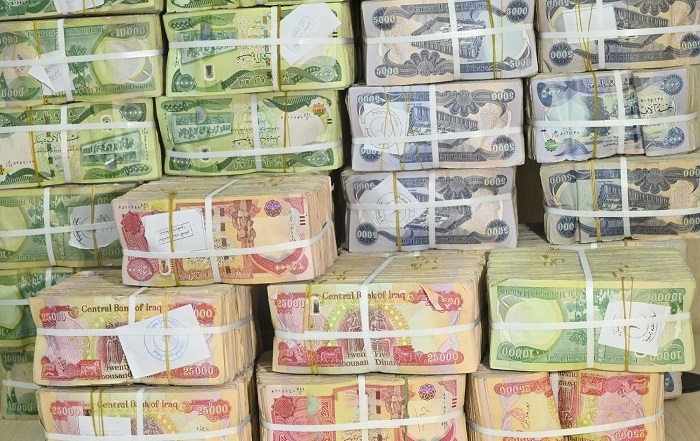
Officials announced on Monday that the Kurdistan Region’s share of Iraq’s federal budget is expected to increase after the 2024 census confirmed that the Region’s population makes up 15 percent of Iraq’s total population. However, the adjustments to the budget allocation will not take effect until next year.
According to Iraq’s planning ministry, the Kurdistan Region’s population stands at 6,503,000 out of Iraq’s total population of 46,118,793, accounting for 15 percent of the country’s inhabitants. This updated population figure is expected to influence the Region’s budget share in the coming years.
Sirwan Mohammed, undersecretary of the Kurdistan Regional Government’s (KRG) planning ministry, stated that the census results should ensure the Region receives 15 percent of Iraq’s federal budget. “They must give us 15 percent of the Iraqi budget, one of the priorities of the census; it will resolve that issue,” Mohammed told Rudaw on Monday. He clarified, however, that this year’s budget share will remain unchanged, with adjustments expected in 2025 when the federal budget law is discussed.
Fadhil Nabi, former undersecretary of Iraq’s finance ministry, emphasized that the Kurdistan Region should claim its budget share based on the new census results when drafting the 2025 budget. If Iraq’s budget remains consistent with recent years, the Region’s share could increase by approximately 2.5 trillion dinars (around $1.67 billion).
In June 2023, Iraq passed its contentious budget bill for 2023, 2024, and 2025, setting the Kurdistan Region’s share at 12.6 percent based on earlier population estimates, despite objections. The 2024 federal budget was nearly 212 trillion dinars (around 141billion),withtheKurdistanRegion’sshare—calculatedat12.6percent—amountingtonearly21trilliondinars(around141billion),withtheKurdistanRegion’sshare—calculatedat12.6percent—amountingtonearly21trilliondinars(around14 billion), covering both consumption and investment expenditures.
Notably, the 12.6 percent share is calculated after deducting Iraq’s sovereign expenditures, which include defense, foreign affairs, and other nationwide costs. As a result, the Kurdistan Region’s allocation is drawn from the remaining budget rather than the total 212 trillion dinars, reducing the actual percentage received.
Mohammed also pointed out that the population figure is not final, as it does not include internally displaced persons (IDPs) in disputed areas such as Nineveh province, even though they are under the Kurdistan Region’s administration.
In a related development, the KRG announced on Sunday that it had reached an agreement with the Iraqi government to restart oil exports from the Kurdistan Region through the Iraq-Turkey pipeline, which has been suspended since March 2023. Mohammed Khudair, Iraq’s oil ministry undersecretary, told Iraqi state media that available oil export quantities from the Kurdistan Region stand at 300,000 barrels per day, with 185,000 allocated for export and the rest designated for domestic consumption.
The resumption of oil exports is expected to bolster Iraq’s federal budget, which could, in turn, contribute to an increase in the Kurdistan Region’s funds. The agreement marks a significant step toward resolving long-standing disputes over oil revenue sharing and budget allocations between the KRG and the federal government.