Erbil and Baghdad Reach Agreement to Resume Kurdistan Region’s Oil Exports
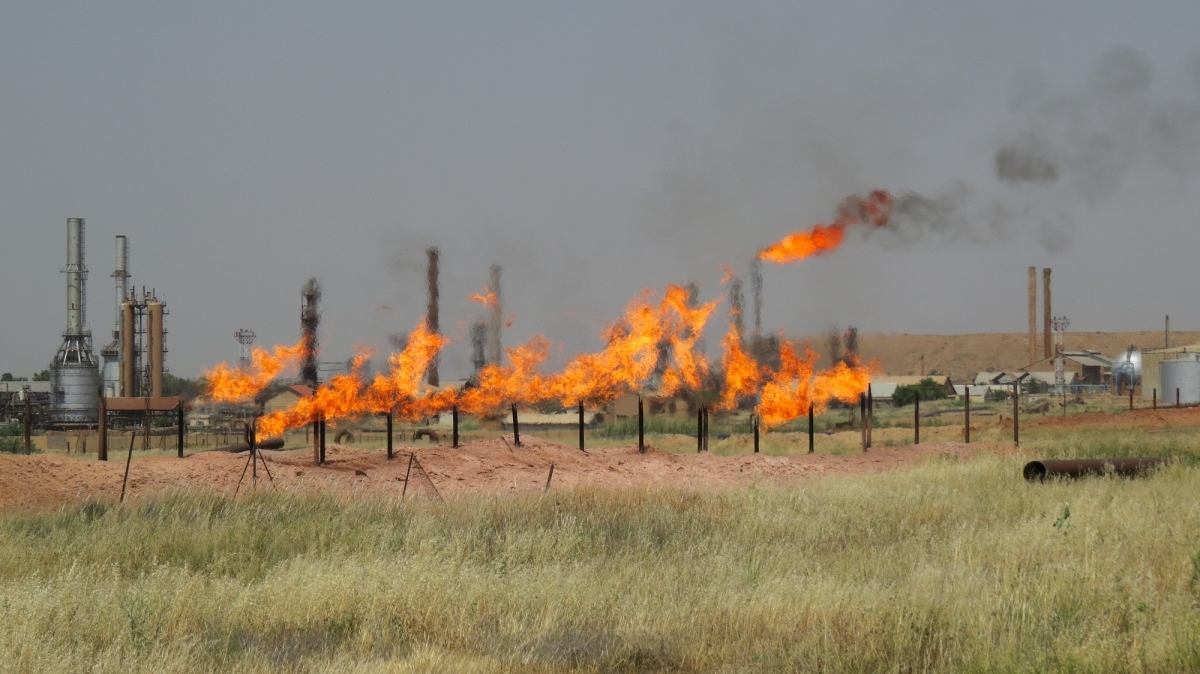
In a landmark development aimed at resolving a long-standing economic and political dispute, the Kurdistan Regional Government (KRG) and the Iraqi federal government have reached an agreement to resume oil exports from the Kurdistan Region. The breakthrough comes after nearly two years of halted exports, which have caused significant economic losses and strained relations between Erbil and Baghdad.
Key Details of the Agreement
A joint technical committee has been established to inspect and assess the Kurdistan Region’s oil export pipelines, ensuring the smooth and efficient resumption of oil flows. The KRG’s negotiating delegation announced the agreement on Sunday, highlighting that it was achieved through extensive coordination between the Iraqi Federal Oil Ministry and the Kurdistan Region’s Ministry of Natural Resources (MoNR).
According to the KRG statement, oil exports will resume in accordance with available quantities, allowing for a gradual return to international markets. The agreement also reaffirms both parties’ commitment to implementing the provisions of Iraq’s federal general budget law, which governs oil revenues and resource management.
Background and Economic Impact
The suspension of Kurdistan’s oil exports, which began nearly two years ago, has had severe economic consequences. Estimates suggest that Iraq and the Kurdistan Region collectively lost approximately $26 billion in revenue during this period. The halt also disrupted global energy markets, contributing to supply chain challenges and economic uncertainty.
The resumption of exports is expected to provide much-needed financial relief to the Kurdistan Region, which has faced significant budgetary pressures due to the suspension. It will also strengthen economic ties between Erbil and Baghdad, fostering greater cooperation in managing Iraq’s energy resources.
Geopolitical Significance
The agreement follows reports that the Trump administration had urged Iraq to expedite the resumption of Kurdistan’s oil exports, underscoring the geopolitical importance of Kurdish crude in the global energy landscape. The Iraqi Oil Ministry announced on Saturday that all necessary procedures for resuming exports via Turkey’s Ceyhan port have been completed, paving the way for Kurdistan’s crude oil to re-enter international markets.
As the technical committee begins its inspections, attention will be focused on ensuring transparency and efficiency in the export process. The successful implementation of this agreement is expected to stabilize the Kurdistan Region’s energy sector and restore a critical revenue stream for both Erbil and Baghdad.
This development marks a significant step toward resolving one of the most contentious issues between the Kurdistan Region and the Iraqi federal government, offering hope for improved economic and political cooperation in the future.