Iraqi Political Leaders Call for National Dialogue Amid Regional Unrest
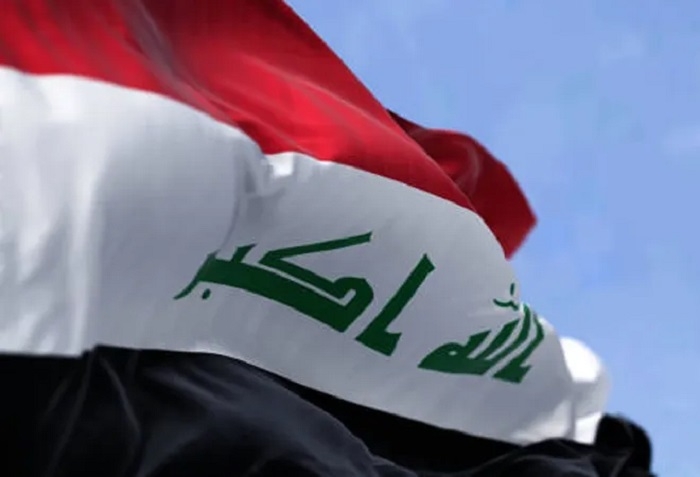
Five prominent Iraqi politicians, including current Parliament Speaker Mahmoud Al-Mashhadani and four former speakers, along with a former Deputy Prime Minister, have issued a joint statement addressing recent developments in Syria and their implications for Iraq.
The statement called for "forthright and serious dialogue" before any political changes are pursued in Iraq. The signatories included Mahmoud Al-Mashhadani (current Parliament Speaker), Osama al-Nujaifi (former Speaker), Dr. Saleh al-Mutlaq (former Deputy Prime Minister), Ayad al-Samarrai (former Speaker), Salim al-Jabouri (former Speaker), and Hajim al-Hassani (former National Assembly Speaker).
Highlighting the regional impact of the Syrian political transformation and the potential fallout from the possible removal of President Bashar al-Assad, the statement noted that these developments have prompted countries, including the United States and its allies, to reassess their strategies in the region.
The signatories emphasized that Iraq, being at the center of these geopolitical shifts, faces significant challenges as foreign powers push for changes that may not align with the interests of the Iraqi people. They warned against underestimating security threats that could exacerbate divisions and weaken the Iraqi government.
The statement called for a comprehensive national dialogue to address long-standing grievances within Iraqi society. While acknowledging that these grievances have been widely recognized, the signatories criticized the persistent lack of political will to resolve them.
Key issues cited in the statement included widespread corruption in government institutions, misrepresentation within the legislative system, injustices in the prison system, and ongoing economic difficulties. The leaders urged the government to confront these issues head-on.
The statement also highlighted the importance of maintaining Iraq’s independence while fostering strong political and economic ties with neighboring countries, free from external interference. The signatories argued that stronger regional relationships, built on mutual interests, would serve Iraq’s long-term stability and prosperity.
The statement concluded with a firm assertion that national dialogue is the only path to restructuring Iraq’s political and economic landscape. It further warned that attempts to use terrorism as a tool to derail reform efforts would fail, as terrorism has lost its support base among the Iraqi populace.