Central Bank of Iraq Implements Measures to Stabilize Dinar Amidst Dollar Decline
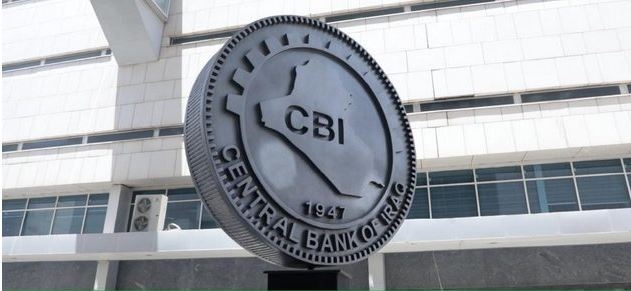
In response to the recent depreciation of the Iraqi dinar against the US dollar, the Central Bank of Iraq (CBI) has undertaken strategic measures to address volatility and enhance the country's financial stability.
In a bid to boost the dollar reserves of private Iraqi banks, the CBI has collaborated with renowned institutions such as JPMorgan and Citibank, allowing these banks to utilize various foreign currencies beyond the US dollar for international transactions. The move aims to facilitate smoother international money transfers, especially in light of challenges posed by Iraq's oil-dependent economy and trade imbalances with neighboring countries, particularly those subject to US sanctions, such as Iran.
The CBI is actively seeking approval from the US Federal Reserve to streamline the timely transfer of oil revenues within the country and establish mechanisms for transactions with neighboring Iran in currencies other than the US dollar. These strategic initiatives are anticipated to contribute to the appreciation of the Iraqi dinar against the US dollar.
An analysis of the supply and demand dynamics of the US dollar in Iraq reveals that Iraq's oil revenues, constituting 90 percent of the country's income, are predominantly earned in dollars. However, the demand for dollars is driven by widespread imports, with the US dollar and Euro being the preferred currencies for these transactions.
Recent initiatives, including the introduction of an electronic platform for foreign remittances connecting Iraqi banks to the international SWIFT network, aim to monitor and regulate the movement of dollars transferred from the US to Iraq. The Federal Reserve's concerns about preventing the flow of dollars to sanctioned countries, such as Iran, have led to increased scrutiny of remittances.
However, delays in the approval process for money transfers through the electronic platform have created challenges for merchants, contributing to an increased demand for the US dollar in the parallel exchange market. Despite restrictions on dollar remittances to Iran, imports from Iran to Iraq have surged, with the funds for these transactions often being transferred in US dollars through currency exchange offices.
The CBI's plan to discontinue the use of the US dollar in domestic transactions from the beginning of the next year marks a significant shift, aiming to weaken the parallel exchange market in Iraq. The CBI contends that it has adequately supplied the necessary dollars in the local market for all legal transactions. However, strained relations between the CBI, the Iraqi government, and the US government, coupled with increased sanctions on Iran, could pose challenges and potentially further depreciate the Iraqi dinar against the US dollar.
As the CBI navigates this complex economic landscape, the implementation of these measures will be closely monitored to assess their impact on stabilizing the Iraqi dinar and fostering economic resilience in the region.