Kurdistan's Agriculture and Animal Husbandry Sector Sees Remarkable Growth with 514 Projects and 60,000 Jobs Created
In a promising development, the agriculture and animal husbandry sector in the Kurdistan region is experiencing significant growth. This success is attributed to the diligent efforts of the regional government, which has been actively engaged in establishing various projects and facilitating the growth of livestock and poultry farming.
As of now, there are more than 2,000 projects exclusively dedicated to animal husbandry and poultry, representing a substantial financial investment in the billions of dollars. This has led to the creation of approximately 60,000 new job opportunities in the region.
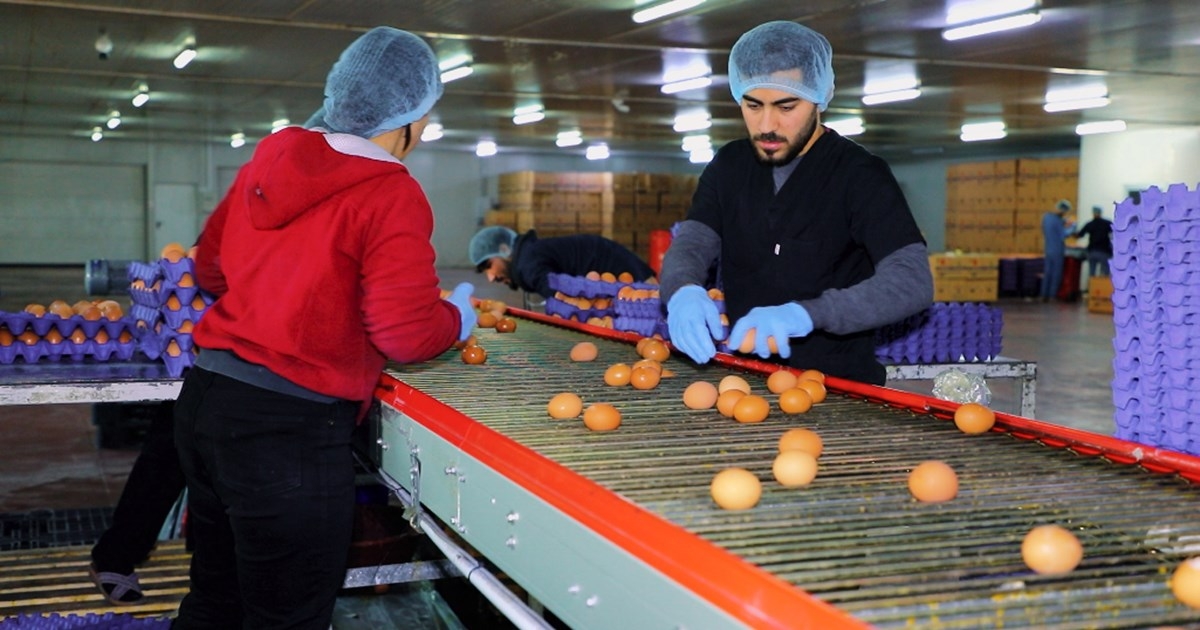
Before the formation of the ninth government, there were only 11 egg production projects. However, this number has surged to 39 projects, marking a remarkable 266% increase. Daily egg production, which was previously limited to 3,000 to 4,000 crates, has now soared to over 14,000 crates per day. This achievement ensures self-sufficiency, as the Kurdistan region consumes only 7,000 crates daily, with the surplus being supplied to the southern and central provinces of Iraq.
In a similar fashion, prior to the formation of the ninth government, there were 73 projects focused on dairy cattle farming. Today, this number has increased to 88 projects, resulting in a 78% increase in production capacity. The previous stock of dairy cattle stood at 8,000 heads, but it has now expanded to an impressive 14,000 heads.
Furthermore, cattle breeding projects have also seen a substantial rise. While there were initially 65 such projects, their number has now surged to 103, representing an extraordinary 355% increase. This growth has been mirrored in production capacity, which has risen from 21,000 to an astonishing 98,000 heads.
In the realm of feed factories within the Kurdistan region, the number has risen from a mere 35 to 42 factories. Additionally, production capacity has expanded from 542 tons per hour to an impressive 932 tons, marking a substantial 78% increase.
These remarkable projects in the agriculture and animal husbandry sector have the potential to directly and indirectly generate approximately 60,000 job opportunities. This comes with a substantial investment capital totaling around one billion dollars.
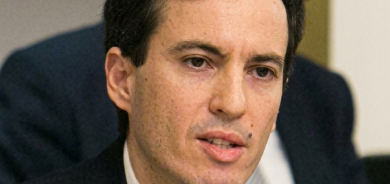
Faras Sadeq, the director of the Animal Wealth Department at the Information and Media Department, commented on this progress, saying, "The Kurdistan government's strategy and plan in the agricultural sector are to market and consume all products smoothly and flexibly in the local markets of the region and throughout the Iraqi markets, as well as to find markets for these products in other countries."
Sadeq further emphasized, "The government of the region will continue to work on creating new projects to manufacture various products. The general direction is to send surplus production to the southern and central regions of Iraq. Unfortunately, there are problems caused by the federal government that hinder the marketing of Kurdistan's products in general, especially agricultural and animal products. Therefore, we are trying to export surplus eggs and poultry to Gulf countries and some other countries."
The Kurdistan region, with its abundant resources and favorable climate, holds significant potential for the development of agriculture and animal husbandry. These recent developments signal a bright future for the region, marking a significant step towards self-sufficiency and economic prosperity.