Land Disputes and Arabization Policies Threaten Khurmatu, Kurdish Official Warns
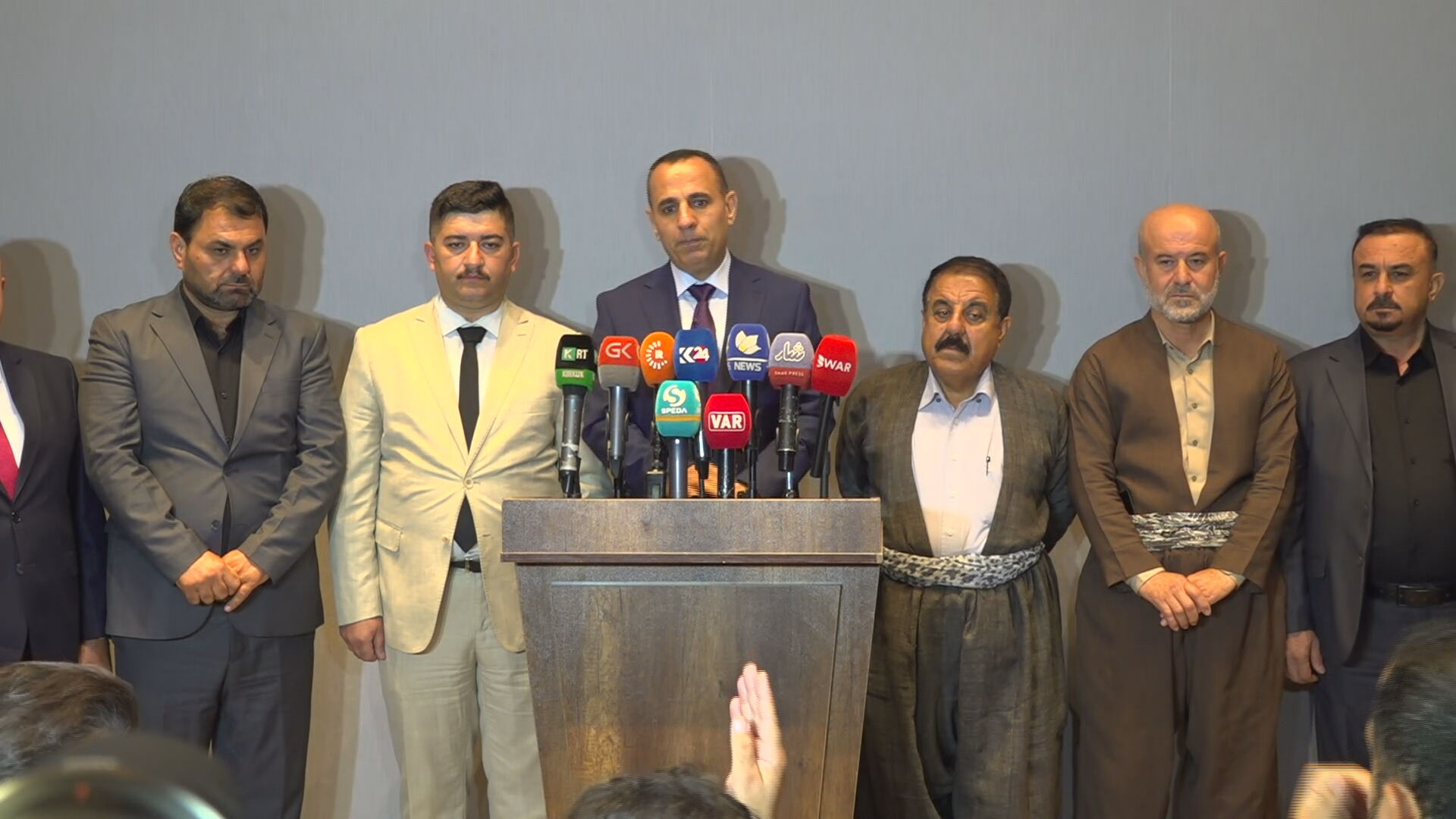
Land disputes, continued Arabization policies and concerns over Kurdish-language education are posing serious challenges to residents of Khurmatu district, according to Fahmi Burhan, head of the General Board for the Kurdish Areas Outside the Kurdistan Region Administration.
Speaking at a press conference on Wednesday, Burhan said he had held meetings with political representatives from Khurmatu, alongside administrative officials and an adviser to the Salahaddin governor, to discuss the district’s political, administrative and service conditions.
“Khurmatu faces several different problems, including land disputes, Arabization and the reconstruction of villages,” Burhan said.
He added that the concerns of Kurdish residents were being directly communicated to Kurdistan Region Prime Minister Masrour Barzani and his deputy. According to Burhan, efforts are also underway to end what he described as a “blockade” affecting Khurmatu in several sectors.
Burhan said talks were also being held with Iraq’s education minister to address concerns surrounding Kurdish-language education in the district.
He stressed that resolving the education issue was a priority, particularly given concerns over the status of Kurdish-language instruction and the educational rights of Kurdish students and residents.
Addressing the issue of disputed land, Burhan said many of the current cases originated from decisions and policies implemented during the Baath regime and were further aggravated by the events of October 16.
He said his board views the land disputes as political issues and considers them part of the broader process of implementing Article 140 of the Iraqi Constitution, which provides a framework for resolving the status of disputed territories.
Burhan also said a law addressing land disputes was approved by the Iraqi parliament in 2025, with only the implementing instructions still pending. He argued that implementation of the legislation could resolve a significant portion of the long-standing disputes between Kurdish and Turkmen residents.
Burhan expressed concern over what he described as a sharp decline in the number of Kurdish officials and employees working in Khurmatu.
“The number of Kurdish employees in Khurmatu is very low and does not exceed the fingers of one hand, while the number of employees from other components is between 800 and 1,000,” he said.
He argued that the disparity reflects the wider political circumstances affecting the Kurdish population in the district.
Burhan traced the origins of the region’s demographic and land disputes to policies introduced during the rule of former Iraqi President Ahmed Hassan al-Bakr in 1975, saying their effects continue to be felt today.
He also warned of what he described as a form of “soft Arabization” taking place in parts of the disputed territories.
Referring to developments in Khanaqin over the previous two days, Burhan said decisions had been taken against the demands of local residents, describing the developments as part of broader concerns over the treatment of Kurdish communities in disputed areas.
Burhan concluded by calling on media organizations and political forces to play a greater role in addressing the problems facing Khurmatu and supporting efforts to resolve its political, administrative and social challenges.