Maternal and Child Mortality Rates Reach Lowest Level in Kurdistan Region
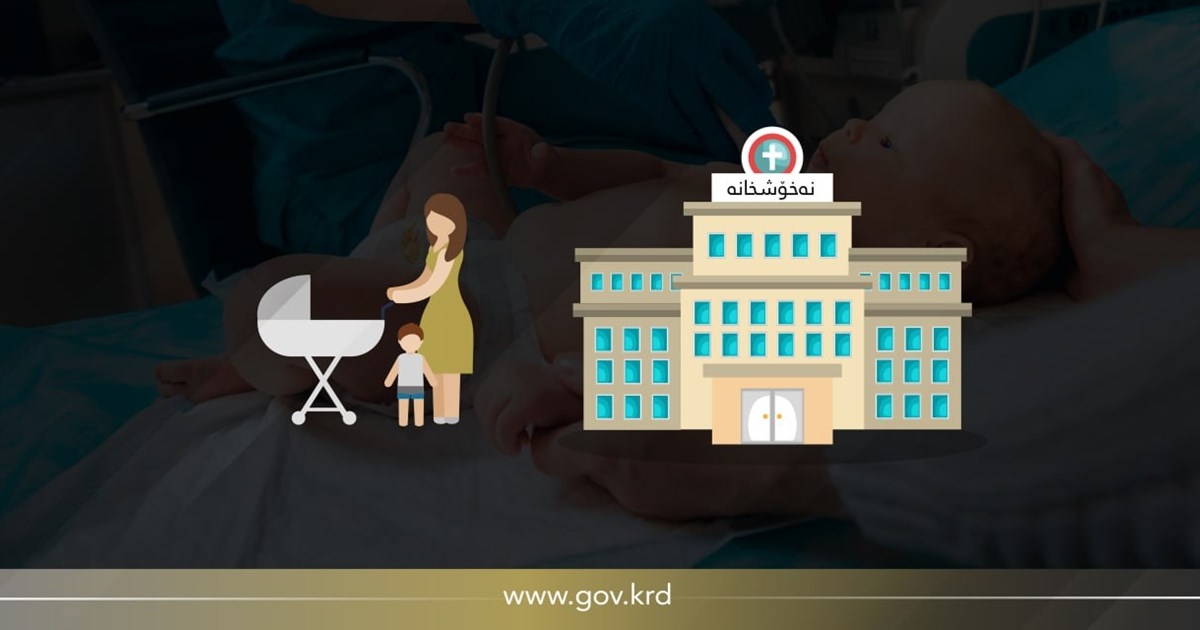
The Kurdistan Region has achieved a remarkable milestone in its healthcare sector as maternal and child mortality rates have steadily declined over the years, reaching the lowest levels in the world by 2022. This achievement reflects a significant improvement in the region's health and human development indicators.
According to data released by the World Health Organization (WHO), in 2020, approximately 287,000 mothers tragically lost their lives during childbirth or within 42 days of giving birth. Devastatingly, 95 percent of these maternal deaths occurred in low- and middle-income countries with inadequate access to healthcare services. The burden was heaviest in South Africa and South Asia, accounting for 87 percent of the reported maternal mortality cases.
Comparing maternal mortality rates worldwide, WHO reported that developing countries experienced an alarming rate of approximately 430 maternal deaths per 100,000 live births in 2020. In sharp contrast, developed countries witnessed a substantially lower rate of 12 maternal deaths per 100,000 live births during the same period. However, in the Kurdistan Region, the Ministry of Health reported a positive trend, with a maternal mortality rate of 23 per 100,000 live births in 2021, which further decreased to an impressive 16 per 100,000 live births in 2022. These figures place the Kurdistan Region ahead of neighboring countries such as Saudi Arabia, Turkey, Syria, Egypt, Jordan, and Iraq in terms of maternal healthcare.
The leading causes of maternal mortality in the Kurdistan Region were identified as severe bleeding, infection, hypertension, and miscarriage. The region's health sector, including maternal hospitals, played a pivotal role in recording the lowest maternal mortality rate in 2022 and protecting the lives of countless mothers.
Additionally, the region has made significant strides in reducing child mortality rates. The WHO's 2020 report indicated that 2.4 million newborns worldwide did not survive their first month of life. The highest infant mortality rate was recorded in southern Africa, with 27 deaths per 1,000 live births, followed by Central and South Asia, with 23 deaths per 1,000 children.
Over the past decade (2011-2022), the Kurdistan Region's child mortality rate has seen continuous decline, culminating in a remarkable achievement by 2022. In 2011, the under-5 mortality rate was 32 per 1,000 live births, the under-1-year mortality rate was 28 per 1,000 live births, and the under-1-month mortality rate stood at 21 per 1,000 live births. By 2022, these figures had significantly improved, with under-5 mortality dropping to 10.2 deaths per 1,000 live births, under-1-year mortality decreasing to 8.7 per 1,000 live births, and under-1-month mortality reaching an impressive low of 5.8 per 1,000 live births.
The Kurdistan Region has excelled in child healthcare, surpassing the global average of 18 child deaths per 1,000 live births with a rate of 5.8. This outstanding achievement puts the region ahead of countries such as Bahrain, Iran, Iraq, Yemen, Qatar, and the UAE. Moreover, the under-5 mortality rate of 10.2 deaths per 1,000 live births in 2022 in the Kurdistan Region is significantly lower than the global average of 37.7 and fares better than neighboring countries like Jordan and Iraq.
Common causes of child mortality in newborns and children aged 1 to 5 years were identified as premature birth, pneumonia, diarrhea, birth defects, malaria, malnutrition, drowning, and respiratory problems. The Kurdistan Regional Government's health sector has played a pivotal role in implementing effective maternity and child care programs, significantly contributing to the region's progress in saving young lives.
The Kurdistan Region's achievements in reducing maternal and child mortality are a testament to its commitment to advancing healthcare services and achieving sustainable development goals. These significant improvements underscore the region's dedication to providing better health outcomes for its citizens and positioning itself as a model for healthcare progress in the international community.