Iraq records highest 24-hour increase in coronavirus cases since February
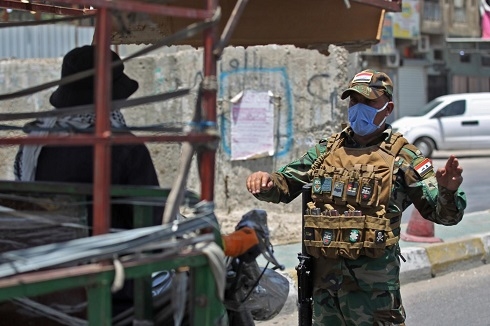
The new figures showed 781 new cases on Wednesday, bringing the total to 8,168 infections across the country.
Around 60 percent of the new cases were recorded in the capital Baghdad.
The ministry also recorded 21 new deaths, bringing the death toll to 256. There were 4,095 recoveries.
The new figues indicate a growing rate of infection since May.
Doctors in Iraq have repeatedly expressed fears that the country's healthcare system would be unable to cope with a major increase in cases.
Ghaith Ghaffuri, an internist at the Shahid as-Sadi hospital in Baghdad's Sadr City neighbourhood, told MEE in late March that if the total number of cases approached 10,000 it could be disastrous.
"If we get numbers like you get in the UK or in Spain or Italy, we will fall down," he said.
"It's all about the numbers – if the number rises up to 10,000, let's say, we won't even have enough beds to put people in and of course we won't have the ventilators for badly-infected people."
Lockdown reimposed
Compared to its neighbour Iran, Iraq had seemed to be less badly hit by the global pandemic.
Since April, the government began loosening a lockdown that had been imposed in March.
However, following an unprecedented spike in new cases, they announced the reimposition of a full lockdown over the weekend.
Iraqi Prime Minister Mustafa al-Kadhimi, following a meeting with the government's Covid-19 taskforce, said a nationwide curfew would be imposed until 6 June.
A similar lockdown was also imposed by the semi-autonomous Kurdistan Regional Government (KRG), set to last until 6 June.
However, that lockdown was lifted after protests across the Kurdish region.
'No way to stand against it'
On Tuesday, Interior Minister Othman al-Ghanmi announced the formation of a special committee under his supervision tasked with following up on the quarantine measures implemented so far.
He warned that, given the rising number of cases, the measures imposed could last for many months to come.
"The corona pandemic has started to spread and affect large numbers and there is no way to stand against it in the absence of a vaccine except for a curfew and other protective and precautionary means," he said.
Earlier on Wednesday, protesters stormed the office of Dhi Qar governorate's health director, demanding he resign over his handling of the coronavirus crisis.
The incident was captured on video, which was uploaded to Twitter.
Dhi Qar Health Director Abdul Hussain Al Jabri said he had offered his resignation, but that it was rejected by the governor and by the Ministry of Health.
The Middle East Eye