US and Iran court Iraq’s energy sector attention with top diplomat meetings
In recent years, Tehran has aimed to increase energy exports into Iraq, while Washington looks to coax Baghdad away from dependency on longtime US adversary Iran for its gas and electricity needs.
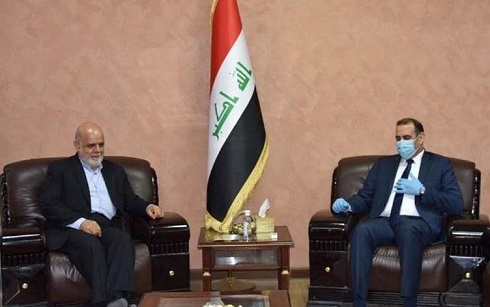
New planning minister Khalid al-Najim met in Baghdad with Iraj Masjidi, Iranian ambassador to Iraq on Monday to discuss how to increase bilateral trade between the two neighboring countries and development of the Iraqi energy sector. On the same day, US ambassador to Baghdad Mathew Tueller met with Iraqi electricity minister Majid Mahdi to discuss encouraging US firms to invest in the country's energy sector and move it away from Iranian energy import dependency.
Iraq has suffered from severe power shortages since the 1990s, worsened by decades of war, sanctions and terror attacks – at times leaving Iraqis with just five hours of electricity per day. Wearying electricity shortages have been one of the catalysts behind successive waves of popular protest in the country.
To make up for production shortages, Iraq has been importing electricity and gas to power its electricity stations from neighboring Iran – much to the ire of Washington.
In a gesture of goodwill to Iraq's new government, the US granted Baghdad its ninth waiver to import electricity and gas from Iran last month.
The 120-day waiver protects Iraq from financial penalties for energy imports otherwise banned after the US reimposed sanctions on Iran in November 2018, after Washington withdrew from the 2015 nuclear deal.
The US has issued energy waivers to Iraq to grant it time to gradually reduce its reliance on Iranian gas and electricity imports, but Monday's meeting with Masjidi suggests Baghdad is not only looking to continue importing Iranian energy, but strengthen its sectoral ties.
“Among the issues discussed in the meeting were cooperation between Iraq and Iran in the fight against coronavirus pandemic, increasing the volume of trade, and cooperation in the field of energy," state outlet Iraqi News Agency (INA) reported on Monday.
In the US-Iraq meeting, Tueller told Mahdi of “the willingness of the US companies to develop and rehabilitate the electricity system in Iraq, especially after the contribution and the great success that General energy recorded in Iraq,” reported INA.
In an attempt to wean itself off of energy imports and bolster its infrastructure, Iraq last year signed contracts with industrial giants Siemens and Honeywell.
But Iraq still exports 1200-1500 megawatts of electricity from Iran on a daily basis, as well as 38 million cubic meters of natural gas per day to feed several of the country's power stations, Iran-Iraq Joint Chamber of Commerce member Sayyid Hamid Hosseini said in September 2019.
As demand for electricity rises with the arrival of summer heat, Iraq will no doubt have to continue to import substantial volumes of Iranian electricity and gas to satisfy energy demand.
Rudaw