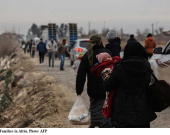
Displaced Iraqis in Kirkuk face difficulties returning to their hometowns
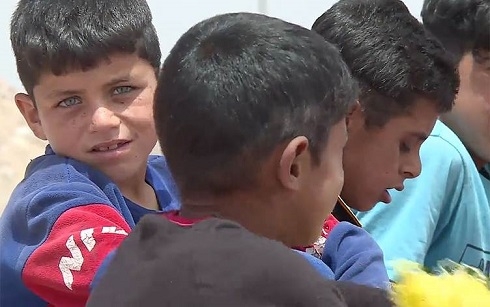
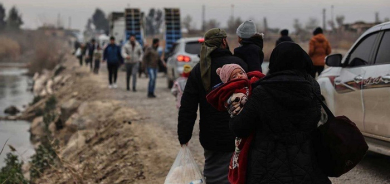
She has yet to return to her hometown due to continued instability in the area, saying security forces have shut down her village as a result of ISIS activity in the area.
“There are ISIS members in our areas. They emerge during the nights. They kill people, persecute and take money from them. There is a real mess in the area currently,” says Khalif, who is part of the approximately 150,000 internally displaced persons (IDPs) who remain in Kirkuk and have not returned to their places of origin.
Other IDPs struggle to return due to their homes being damaged or completely destroyed in the conflict.
Mohammed Salih, an IDP from Hawija, told Rudaw, “At the arrival of ISIS, we fled to Tikrit. We stayed there for one year and six months. Following the liberation of Hawija, we returned but our houses were flattened to the ground.”
According to lawmakers, many IDPs in the province continue to experience social problems as a result of the war, having had or being perceived to have had links to ISIS.
With only two of the previous seven IDP camps still standing, much of the province’s displaced population has flocked to impoverished neighborhoods of cities, some resorting to squatting for housing.
Iraqi member of parliament Jamal Shukr believes it is the government’s responsibility to aid the remaining IDPs.
“The government has to either compensate them or give them housing,” the MP told Rudaw.
Although the Iraqi government announced the territorial defeat of ISIS in December 2017, remnants of the group have since returned to their earlier insurgency tactics, ambushing security forces, kidnapping and executing suspected informants, and extorting money from vulnerable rural populations in Kirkuk, Saladin, Diyala, and Nineveh provinces.
The group is now most active in Iraq’s remote deserts, mountains, and in territories disputed by the federal government and the autonomous Kurdish region, where a wide security vacuum has opened up.
Rudaw