Iran Says Ceasefire with US 'Practically Meaningless' After Renewed Military Strikes
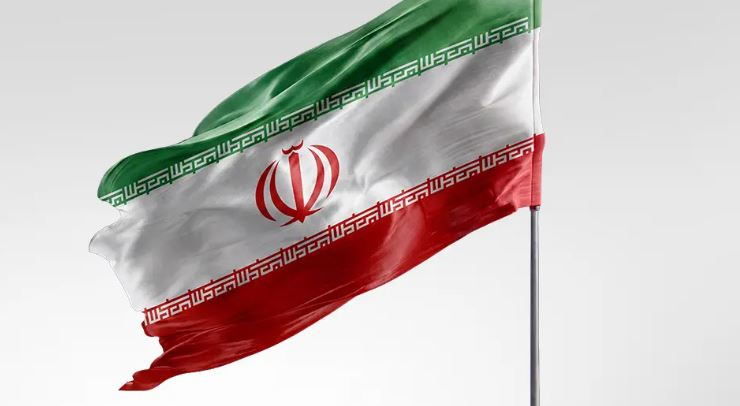
Iran on Thursday warned that the fragile ceasefire governing its three-month conflict with the United States has become “practically meaningless” after a new exchange of military strikes across the Middle East heightened fears of a broader regional escalation.
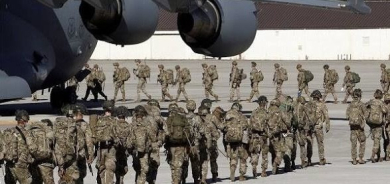
The latest flare-up saw the United States launch attacks on Iranian military infrastructure, while Tehran responded with strikes targeting U.S. military assets in the region, marking the second consecutive day of direct hostilities between the two sides.
According to U.S. Central Command (CENTCOM), American forces carried out strikes against Iranian surveillance, communications, and air defense facilities, describing the operation as a response to Iran’s “unwarranted and continued aggression.” Iranian media reported explosions in southern parts of the country and said several people were injured.
Iran’s Foreign Ministry strongly condemned the attacks, stating that the latest U.S. military action represented a serious violation of international norms and had rendered the ceasefire reached in April “practically meaningless.”
The conflict began on February 28 when the United States and Israel launched coordinated strikes against Iranian targets, triggering the most direct confrontation between Washington and Tehran in decades. Although an April truce halted large-scale fighting, efforts to negotiate a permanent settlement have repeatedly stalled, while intermittent attacks have continued to undermine the ceasefire.
In response to the latest U.S. operation, Iran’s Islamic Revolutionary Guard Corps (IRGC) announced what it described as a “punitive operation” against American positions in the region. Jordan said its air defenses intercepted around 20 Iranian missiles, while Kuwait reported engaging hostile aerial targets. Bahrain, which hosts the U.S. Navy’s Fifth Fleet, said debris from Iranian attacks caused minor injuries and property damage.
The renewed violence comes as diplomatic efforts continue behind the scenes. A Qatari delegation held talks in Tehran during the latest escalation, with diplomatic sources indicating that discussions were coordinated with Washington as part of ongoing mediation efforts. Alongside Qatar, Pakistan has played a key role in facilitating indirect contacts between the two sides since the outbreak of the conflict.
Despite the fighting, mediators insist negotiations remain active. Pakistan’s Foreign Ministry said it had not lost hope for a diplomatic solution, although officials acknowledged that the latest military exchanges have made progress significantly more difficult.
Saudi Arabia, which was also affected by attacks during the conflict, called for renewed negotiations under Qatari and Pakistani mediation, while China urged all parties to halt military operations and return to dialogue. Beijing has a strong interest in regional stability as China remains one of the largest buyers of Middle Eastern energy exports, including Iranian oil.
The escalation follows increasingly sharp rhetoric from U.S. President Donald Trump, who accused Tehran of delaying negotiations and warned that Iran would “pay the price” for failing to reach an agreement. Defense Secretary Pete Hegseth reinforced the administration’s position, saying military force would remain an option if directed by the president.
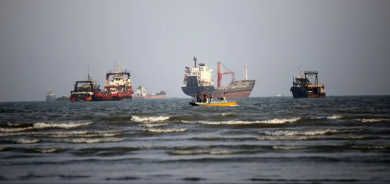
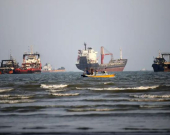
The fighting has also renewed concerns over energy security. Previous exchanges between the two countries have threatened shipping through the Strait of Hormuz, the narrow waterway through which roughly one-fifth of the world’s seaborne oil trade normally passes. Any prolonged disruption could have significant consequences for global energy markets and international trade.