KRG Delegation to Visit Baghdad for Talks on Customs Digitization and Non-Oil Revenues
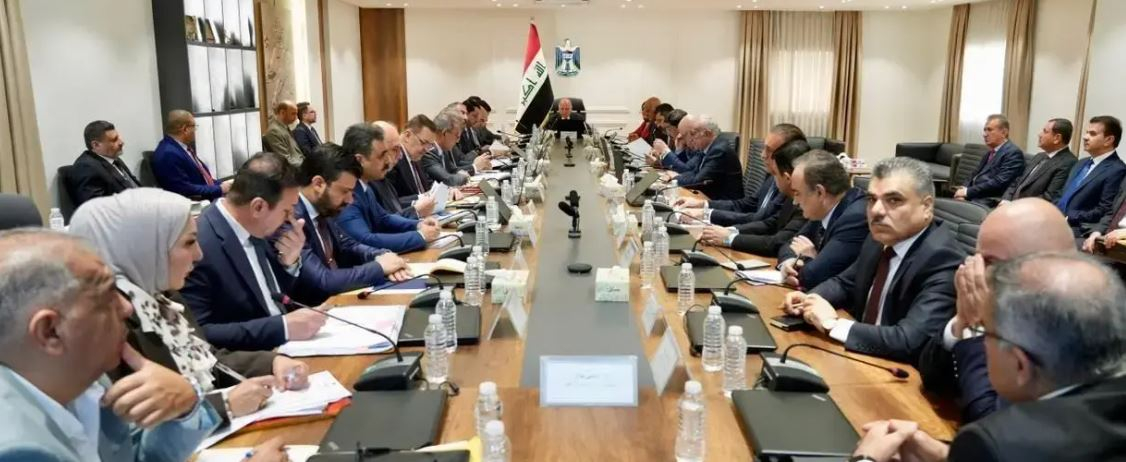
ERBIL, Kurdistan Region – A high-level delegation from the Kurdistan Regional Government (KRG) is expected to travel to Baghdad next week to continue negotiations on the implementation of the Automated System for Customs Data (ASYCUDA) and address ongoing disputes over non-oil revenues.
Sami Jalal, advisor to the Kurdistan Region’s Interior Ministry and head of the KRG negotiating team on the ASYCUDA file, confirmed on Monday that preparations are underway for the visit.
“If no changes occur, the high-level delegation is scheduled to visit Baghdad next Monday. This is for the purpose of reaching a full understanding and agreement between both sides regarding that system,” Jalal told Rudaw.
The planned visit follows months of discussions between Erbil and Baghdad on customs modernization and fiscal coordination, after an earlier trip was postponed.
At the center of the talks is ASYCUDA, an electronic customs management platform developed by the United Nations Conference on Trade and Development (UNCTAD) in the early 1980s. The system is designed to digitize and standardize customs procedures and is currently operational at all 22 federal border crossings in Iraq, except those located in the Kurdistan Region.
Under ASYCUDA, importers are required to secure federal approvals, pay customs duties electronically in advance, and gain access to foreign currency through the Central Bank of Iraq at the official exchange rate.
Baghdad views the system as a key tool for increasing transparency and improving revenue collection. However, Kurdish officials have expressed concerns that its implementation could diminish the Kurdistan Region’s administrative authority over its border crossings.
Jalal said negotiations remain constructive despite unresolved issues.
“We still have some points of disagreement; otherwise, there is generally a good understanding,” he said. “Our main concern is to protect the legal and constitutional specificities of the Kurdistan Region so that the implementation of the system is within the framework of the Region’s prerogatives.”
He stressed that the Kurdistan Region is committed to implementing the system but insists that the process must be carried out through its own institutions.
“We will implement it, but it must be done in our own way,” Jalal added.
According to information obtained by Rudaw, discussions are also expected to cover the collection and management of domestic non-oil revenues, another longstanding point of contention between the federal government and the KRG.
The upcoming meeting follows a series of efforts to bridge differences over customs administration and digitalization. In April, delegations from both governments met in Erbil to advance an agreement on implementing ASYCUDA and modernizing customs procedures.
Earlier, in March, Masrour Barzani stated during a press conference that the KRG had accepted the principle of introducing the system.
“We agreed to install the system in the Kurdistan Region. However, the implementation mechanism must be through the institutions of the Kurdistan Region, and this takes time,” he said.