Iran Executes Two Men Over Mosque Arson as Rights Groups Report Surge in Political Executions
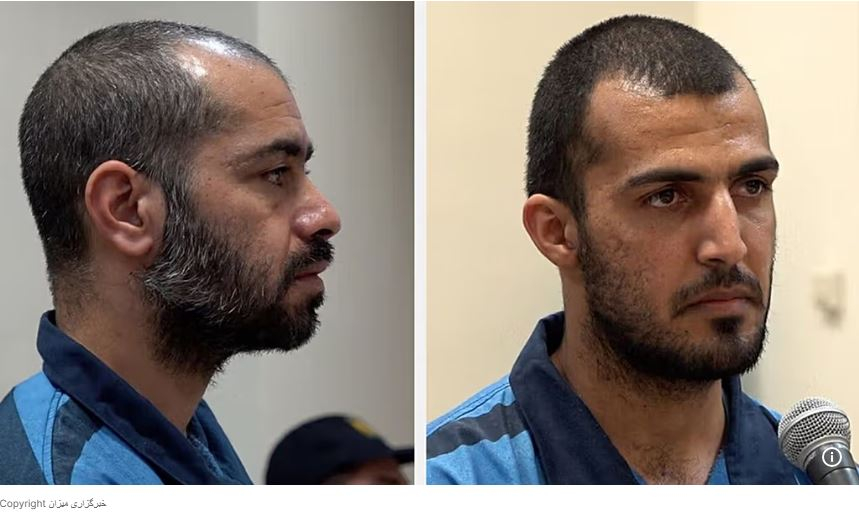
Iranian authorities on Monday executed two men convicted of attacking and setting fire to a mosque during nationwide protests that erupted following the collapse of the country's currency, according to the judiciary-affiliated Mizan News Agency.
The men, identified as Mehrdad Mohammadi-Nia and Ashkan Maleki, were executed after Iran's Supreme Court upheld their death sentences. Authorities said they were among the principal perpetrators of an attack on the Jafari Mosque in Tehran's Gisha neighborhood during demonstrations that spread across the country between December 2025 and January 2026.
According to the judiciary, the pair were convicted of arson, destruction of public property, clashes with security forces, road blockades, and activities deemed harmful to national security. Officials also ordered the confiscation of their assets. The judiciary did not specify the exact capital offense under which the death sentences were imposed.
The protests began in late December 2025 after the Iranian rial suffered a dramatic collapse, triggering widespread unrest in cities across the country. Demonstrations intensified in early January, culminating in a major security crackdown on January 8 and 9.
Casualty figures from the crackdown remain disputed. Iran's Supreme Council of National Security has acknowledged that more than 3,000 people were killed. The United Nations Special Rapporteur on Iran has estimated the death toll at no fewer than 5,000, while some humanitarian organizations and sources inside the country have suggested the number could be significantly higher.
The government imposed a near-total internet blackout on January 8, limiting independent verification of events during the crackdown.
The executions come amid growing international scrutiny of Iran's human rights record. In a report released last week, Amnesty International said Iranian authorities had arrested more than 6,000 people since the start of the war in February, including protesters, journalists, lawyers, and human rights activists.
The rights group reported an acceleration in prosecutions, including cases carrying the death penalty, and documented allegations of enforced disappearances, torture, forced confessions, and unfair trials. Amnesty said at least 39 political executions had been carried out during the same period.
Iran's overall execution rate remains among the highest in the world. Amnesty International's latest annual report recorded at least 2,159 executions in the country in 2025, accounting for the majority of the 2,700 executions documented globally that year.
Human rights organizations continue to express concern over the treatment of individuals detained during the January protests, many of whom remain in custody facing political and security-related charges.
Iranian authorities have consistently rejected international criticism of their judicial system, maintaining that those executed were convicted of serious crimes and received due process under Iranian law.