Pezeshkian Rejects U.S. Pressure on Iran’s Nuclear Program as Hormuz Tensions Threaten Ceasefire
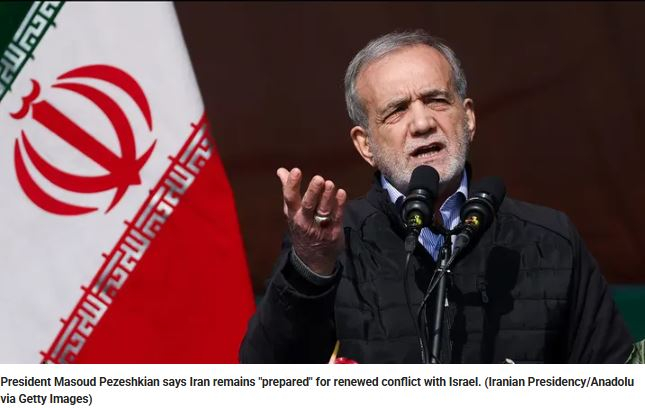
Iranian President Masoud Pezeshkian stated on Sunday that U.S. President Donald Trump cannot unilaterally deprive Iran of its nuclear rights, adopting a firm public stance as diplomatic efforts to extend a fragile two-week ceasefire face mounting difficulties.
The remarks come amid escalating tensions between Tehran and Washington over control of the Strait of Hormuz, further complicating Pakistan-mediated negotiations aimed at ending the six-week conflict between Iran and allied U.S.–Israeli forces.
Officials warn that disagreements over Iran’s nuclear program and maritime sovereignty could undermine the April 8 ceasefire, which is set to expire later this week.
Speaking to Iranian media, Pezeshkian emphasized that Iran has no intention of attacking other sovereign nations and did not initiate the conflict, which began on February 28 following joint U.S. and Israeli military strikes. He said Iran’s military actions were conducted strictly within its legal right to self-defense.
The Iranian president also reiterated that Tehran does not seek to expand the conflict but considers its nuclear program a sovereign right that cannot be compromised.
His comments followed remarks by Iranian Deputy Foreign Minister Saeed Khatibzadeh, who told the Associated Press that Tehran will not transfer its enriched uranium to the United States, describing the issue as non-negotiable.
Khatibzadeh said indirect communications between the two sides have continued, but Washington’s demands remain unacceptable to Tehran, preventing a transition to direct negotiations.
Iranian parliamentary speaker Mohammad Baqer Qalibaf confirmed that talks have produced limited progress but that significant differences persist between the Iranian and American delegations. Iran’s chief negotiator likewise indicated that a few critical “red lines” remain unresolved.
In Washington, Trump described the ongoing indirect negotiations as “very good,” while warning that Tehran cannot pressure the United States over the status of the Strait of Hormuz.
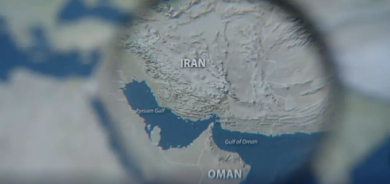
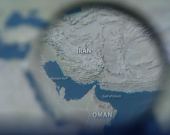
The strategic waterway—through which roughly one-fifth of the world’s oil and liquefied natural gas shipments pass—has become a central economic battleground in the conflict.
Iranian Vice President Mohammad Reza Aref said Iran seeks to end conflicts in West Asia but remains the sovereign authority responsible for managing the strait. He warned that Tehran will defend its maritime rights “at the negotiating table or on the ground.”
Meanwhile, the Persian Gulf remains effectively paralyzed by reciprocal blockades.
The U.S. military’s United States Central Command (CENTCOM) announced that the guided-missile destroyer USS Pinckney is patrolling regional waters, enforcing a naval blockade that Washington says has halted Iran’s commercial maritime exchanges.
In response, Iran’s military command at Khatam al-Anbiya Air Defense Headquarters stated that the Strait of Hormuz remains closed to commercial shipping under Iranian control and linked the reopening of maritime transit to the removal of the U.S. blockade.
As negotiations continue, allied military forces are preparing for the possibility that the Pakistan-mediated talks in Islamabad could collapse. An unnamed Israeli military official told the Hebrew-language daily Ma’ariv that Israeli and U.S. forces are maintaining “very close and precise coordination” in case the ceasefire breaks down.
The official warned that without an agreement, allied forces are prepared to deliver a “very deadly and backbreaking blow” to Iran.
Military planners have reportedly prioritized Iranian energy infrastructure as potential targets. Israeli officials claim that U.S. and Israeli aircraft launched more than 37,000 munitions against targets across Iran during the first 40 days of the conflict, significantly degrading parts of the country’s defense network.
The war has caused heavy casualties. Ahmad Mousavi, head of Iran’s state-run Veterans Foundation, said more than 3,500 people have been killed.
Figures released by the Iranian Forensic Medicine Organization recorded 3,375 fatalities as of April 12.
Independent monitoring groups have reported slightly higher numbers. The Human Rights Activists News Agency (HRANA) said at least 3,636 people had been killed as of April 7, including 1,701 civilians—among them at least 254 children—along with 1,221 military personnel and 714 individuals whose status remains unclear.
The casualty figures could not be independently verified due to restrictions on international reporting inside Iran.
Domestic political considerations in the United States are also influencing the conflict’s trajectory. Reporting by The Wall Street Journal indicates the Trump administration is weighing its strategic objectives against the risk of heavy U.S. casualties and economic consequences ahead of upcoming midterm elections.
U.S. defense officials reportedly advised against deploying ground forces to seize Kharg Island—the hub for roughly 90 percent of Iran’s oil exports—over concerns about unacceptable troop losses.
At the same time, European partners and the North Atlantic Treaty Organization (NATO) have declined to participate in the military campaign or assist in reopening the Strait of Hormuz by force.
The diplomatic situation is further complicated by regional tensions involving Lebanon. Iranian officials insist that any permanent ceasefire must address all fronts in the region, linking U.S.–Iran negotiations to the conflict between Israel and the Iran-backed group Hezbollah.
Israeli media reported that Israeli forces now control nearly one-third of the territory between the Lebanese border and the Litani River. Although a parallel 10-day ceasefire was declared in Lebanon, sporadic clashes have continued.
The Israeli military confirmed the death of another soldier in southern Lebanon, raising the total number of Israeli military fatalities there to 15, according to figures compiled by Agence France‑Presse.
Tensions also rose after an attack on peacekeepers from the United Nations Interim Force in Lebanon (UNIFIL) killed a French soldier. French officials and initial UN assessments blamed Hezbollah, though the group has denied involvement.
Hezbollah Deputy Secretary-General Naim Qassem previously stated that the group rejects a one-sided ceasefire and remains prepared for continued confrontation.