Drone Strike Hits Erbil Café on Iskan Street; Unexploded Munition Spares Dozens in “Miracle” Incident
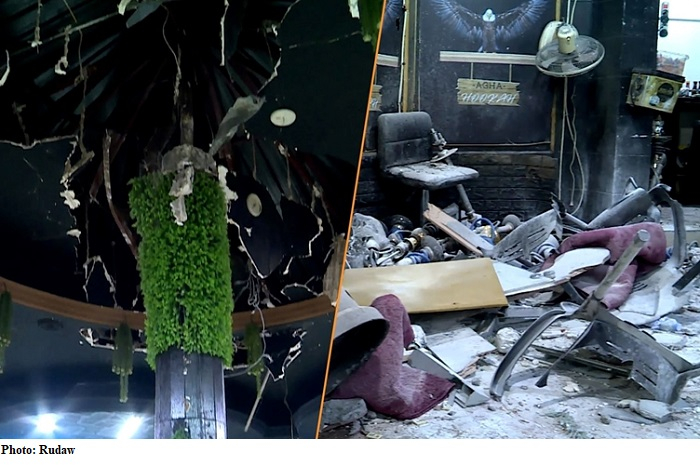
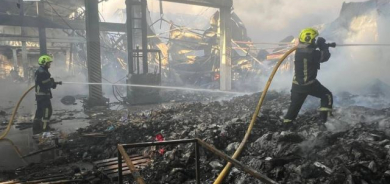
A drone strike pierced the roof of a crowded café on Erbil’s well-known Iskan Street early Thursday morning, dropping an explosive device that failed to detonate in what witnesses described as a “miracle” that prevented a major tragedy.
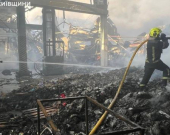
The incident occurred shortly after midnight when a drone carrying explosives struck Balla Khoshaka, a café owned by Kurdish entrepreneur and philanthropist Fakhir Hariri. The establishment was reportedly filled with dozens of workers and visitors at the time of the strike.
Despite the direct hit, the munition did not explode, sparing what could have been a catastrophic loss of life.
Hariri expressed shock and anger over the incident, emphasizing that the location was purely a civilian venue.
“Does this look like a military base to you?” Hariri asked while pointing to the damaged interior of the café. “This place is for ordinary people—the working class. We have 50 young men who work here, all from humble backgrounds trying to make a living. If that drone had exploded, 50 families would be mourning their sons today.”
Hariri also called on the Iraqi federal government and Prime Minister Mohammed Shia’ al‑Sudani to intervene and prevent further attacks.
“Enough is enough. The Kurds have the capability to retaliate; we have the means to destroy. But we are guided by a conscience that prevents us from targeting civilians,” he said.
Panic on Erbil’s Busiest Nightlife Street
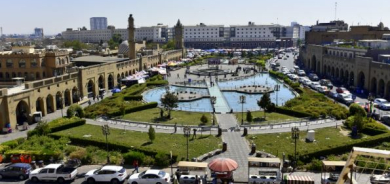
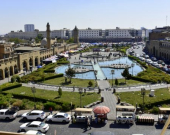
Iskan Street, often described as Erbil’s 24-hour entertainment and culinary district, was busy when the strike occurred. Restaurants and street food vendors continued operating despite heightened regional tensions.
Rebaz Mohammed, a restaurant owner whose business faces the damaged café, described the moment of impact.
“We heard a massive blast,” he said, adding that everyone nearby was relieved the explosive device failed to detonate. “We know this isn’t the first time Erbil has been targeted, and it likely won’t be the last. However, life goes on—the market is still open and people are still coming out to eat.”
Local vendors said the attack appeared aimed at undermining the district’s economic activity.
Mohammed Salahuddin, a tradesman in the area, condemned the strike.
“This is a place of business for the poor and hardworking. To target a place where people come simply to eat and survive is a disgrace.”
Regional Tensions Behind the Attack
The strike comes amid escalating regional conflict following a coordinated military campaign launched by the United States and Israel against Iran on February 28. The operation, according to United States Central Command, has targeted more than 12,300 sites inside Iran in an effort to dismantle parts of its security infrastructure.
In response, Tehran has conducted drone and missile attacks across the Middle East, targeting what it describes as U.S. assets in the region and launching retaliatory strikes against Israel.
Iran-aligned Iraqi armed factions—often referred to as part of the Axis of Resistance—have also claimed responsibility for attacks on suspected U.S. positions in Iraq and the Kurdistan Region.
According to tracking by Rudaw Media Network, the Kurdistan Region has experienced roughly 500 strikes on alleged U.S. targets since late February.
Kurdish officials have repeatedly urged Baghdad to take stronger measures against what they describe as “outlaw groups” responsible for the attacks, warning that continued instability could threaten the region’s security and economic life.