Iran Rejects U.S. Ceasefire Plan as Middle East Hostilities Intensify — Cyprus Seeks New Security Deal for UK Bases
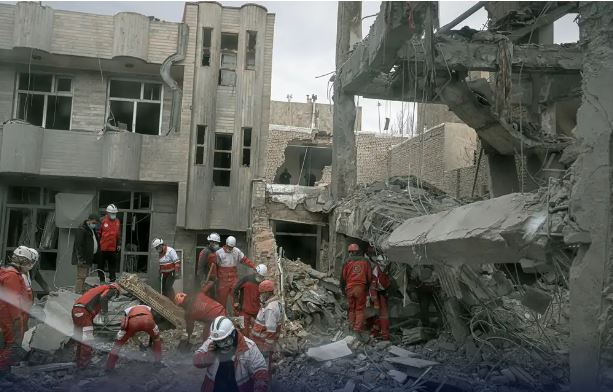
Middle East Conflict Update: Iran has confirmed receipt of a 15‑point ceasefire proposal from the United States, relayed via Pakistan, but rejected the plan as “excessive” and unacceptable, underscoring that it is not negotiating directly with Washington as missile and air strikes continue across the region. Tehran has also denied claims by U.S. President Donald Trump that talks are underway, describing such assertions as misleading.
According to state media reports, the U.S. proposal aimed to lay out steps to halt hostilities and potentially end the ongoing conflict but was seen by Iranian officials as heavily skewed toward U.S. demands. Tehran insisted that no genuine negotiations are occurring with Washington and reaffirmed its position that it will continue military operations unless its own conditions for a ceasefire are met.
Israel, which has not been part of any negotiations, said it will continue its military campaign against Iranian targets, according to its ambassador to the United Nations.
The fallout from the refusal to engage constructively with the U.S. plan has coincided with continued missile exchanges and air strikes, heightening fears of a wider regional escalation.
In related geopolitical developments linked to the Iran conflict, Cyprus has initiated discussions with the United Kingdom to seek a new security deal for British military bases on the island, after Iranian drone attacks targeted facilities earlier this month, including RAF Akrotiri.
Cypriot President Nikos Christodoulides has called for “open and frank discussions” over the future of the UK’s sovereign base areas — established under a 1960 treaty — in a bid to secure clearer arrangements and stronger protections for Cyprus once the current Middle East crisis subsides.
While Nicosia is not seeking the removal of the bases, it is pushing for updated security arrangements and guarantees, reflecting concerns that the island could be drawn into broader conflict dynamics due to the proximity of foreign military installations.
London has acknowledged talks but has maintained that the bases will remain British sovereign territory, as both sides navigate these sensitive strategic negotiations.