Baghdad and Erbil in Oil Export Standoff Amid Dollar Embargo
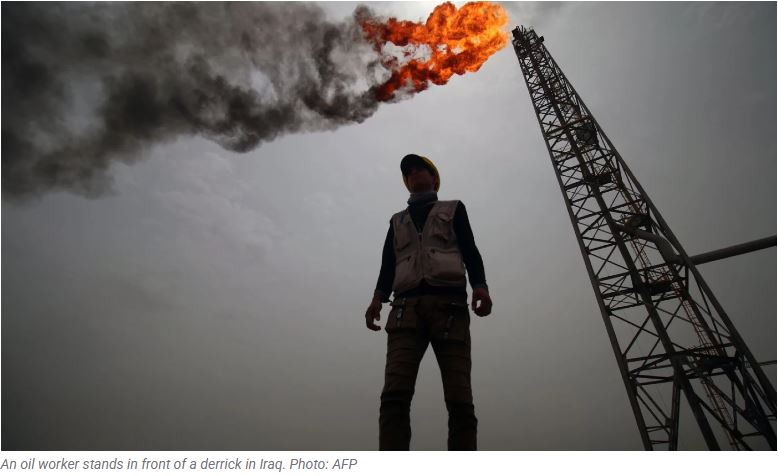
The Iraqi Oil Ministry said on Sunday it is prepared to resume crude exports of up to 300,000 barrels per day through the pipeline running from the Kurdistan Region to the Turkish port of Ceyhan if authorities in Erbil grant permission for Baghdad to use the northern route.
In a statement, the federal ministry said it has communicated its readiness to Kurdish officials to restart exports via the northern pipeline — a move it says could help offset severe losses from war‑related disruptions that have choked traditional export routes, especially through the Gulf’s Strait of Hormuz.
However, the Kurdistan Regional Government (KRG) has so far not agreed to the proposal, linking its consent to broader financial and economic conditions. A senior Kurdish official, speaking anonymously, told Rudaw that while Erbil supports oil flowing to international markets via Turkey, Baghdad must first lift what Kurdish authorities describe as an effective “dollar embargo” on the Region’s trade.
The dispute centers on Baghdad’s new ASYCUDA digital customs system, introduced nationwide on January 1 but not yet fully integrated with the Kurdistan Region’s systems. Under the new platform, Kurdish traders cannot easily access official‑rate US dollars unless federal taxes are pre‑paid through a mechanism that Erbil says is incompatible with its own systems — a situation described by KRG sources as a de facto embargo that forces reliance on costlier black‑market currency.
Under previous arrangements, the KRG collected customs duties at border crossings, remitted a portion to Baghdad, and retained the remainder to fund regional government operations. Baghdad has stated it does not reject the digital system outright but insists on full federal oversight of revenues.
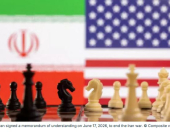
Iraq’s economy remains heavily dependent on oil, which accounts for roughly 90 percent of government revenue. The ongoing conflict involving Iran, the United States, and Israel has sharply disrupted exports, especially through the Strait of Hormuz — a strategic chokepoint accounting for a significant share of global oil traffic.
Iraqi officials, including Oil Minister Hayan Abdul‑Ghani, have framed the request to resume northern pipeline exports as a way to partially recoup financial losses caused by halted shipments through southern ports and to sustain government spending.
Federal financial adviser Mudher Mohammed Salih warned that although the full impact of the export suspension has not yet materialized, Iraq may need to resort to domestic borrowing to pay salaries if revenues continue to fall. He said the government could sustain finances for approximately five months without new income.
Despite Baghdad’s repeated appeals to resume exports “in accordance with the supreme national interest and the constitution,” the standoff persists. Kurdish authorities have maintained conditions tied to economic policy and access to dollars, and have not yet approved the oil ministry’s request.
The impasse highlights ongoing tensions between Iraq’s federal government and the Kurdistan Region over financial arrangements, trade systems, and control of natural resources at a time when alternative export routes have become critical to national finances.