UNHCR Warns of Mass Displacement in Iran
Up to 3.2 Million People Internally Displaced Amid Intensifying U.S.–Israel Military Campaign
The United Nations High Commissioner for Refugees (UNHCR) warned on Thursday that between 600,000 and 1 million Iranian households—representing as many as 3.2 million people—have been temporarily displaced inside Iran due to the escalating conflict in the country.
According to UNHCR, most of those displaced are fleeing the capital, Tehran, and other major urban centers, moving toward northern provinces and rural areas in search of safety. The agency cautioned that the number of displaced people is likely to rise further as hostilities continue, signaling a growing humanitarian emergency.
The crisis is also affecting refugee populations already living in Iran, particularly Afghans, who face heightened vulnerability due to limited resources and fragile support networks. Many families are leaving conflict-affected areas as insecurity increases and access to essential services declines.
UNHCR said it is adjusting its humanitarian response to meet the growing needs. With its longstanding presence in Iran—including reception facilities, helplines, and assistance programs—the agency is working closely with national authorities and humanitarian partners to assess emerging needs and strengthen preparedness as population movements increase.
The agency emphasized the urgent need to protect civilians, maintain humanitarian access, and ensure that borders remain open to people seeking safety in accordance with international humanitarian obligations.
The humanitarian situation follows a major escalation that began on February 28, when the United States and Israel launched a coordinated military campaign against Iran.
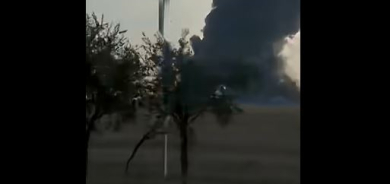
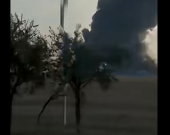
The operations—Operation Epic Fury by the United States and Operation Roaring Lion by Israel—have targeted Iran’s military infrastructure, nuclear facilities, and senior leadership.
During the initial wave of strikes in Tehran, Iran’s Supreme Leader Ali Khamenei was reportedly killed. He has since been succeeded by his son, Mojtaba Khamenei, who vowed to continue resistance and maintain the closure of the strategic Strait of Hormuz.
Military sources say that U.S. and Israeli forces have struck more than 6,000 targets across Iran, including ballistic missile facilities, naval bases, and key nuclear sites such as Natanz Nuclear Facility, Fordow Fuel Enrichment Plant, and Isfahan Nuclear Technology Center.
Israeli officials claim that approximately 80 percent of Iran’s air defense systems have been neutralized during the ongoing operations.
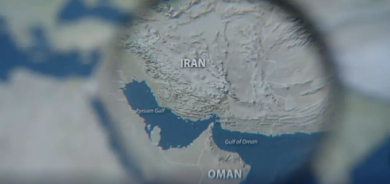
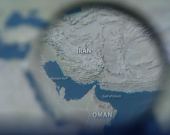
The escalating conflict has triggered growing fears of wider regional instability and disruption to global energy supplies, particularly due to tensions surrounding the Strait of Hormuz—one of the world’s most critical oil transit routes.
Humanitarian agencies warn that continued fighting could deepen the displacement crisis and potentially trigger cross-border refugee movements, placing further pressure on neighboring countries.