Syrian Authorities Close Al-Hol Camp After Relocating 24,000 Residents
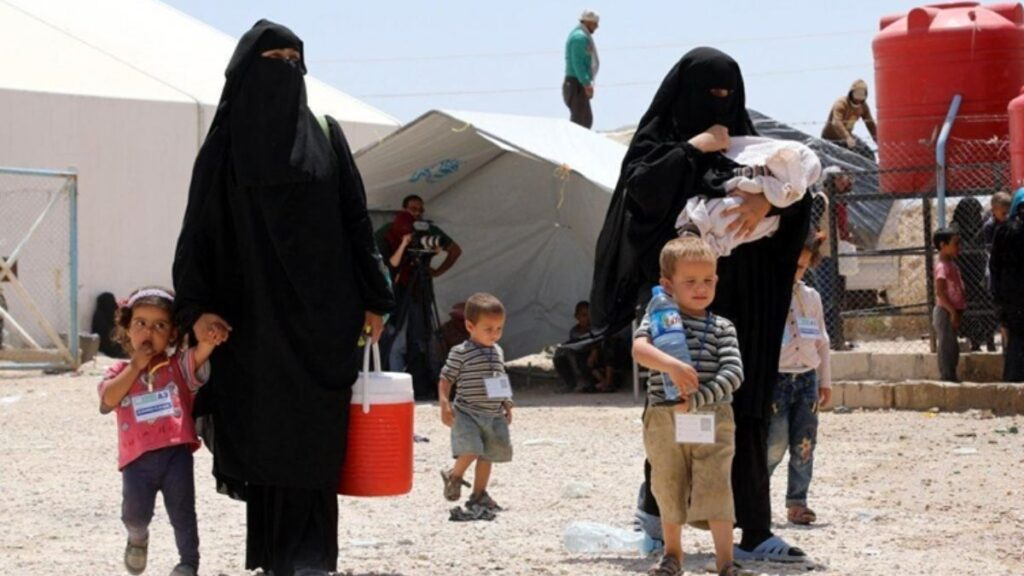
Syrian authorities have officially closed the al-Hol camp in northeastern Syria after relocating all remaining residents, marking the end of one of the country’s most prominent facilities housing families of suspected ISIS fighters.
Fadi al-Qassem, the government-appointed official overseeing the camp’s affairs, confirmed on Sunday that “all Syrian and non-Syrian families were relocated.” Security forces are currently conducting final searches of tents to ensure no residents remain.
The camp, situated in a desert area of Hasakeh province, had long been Syria’s largest detention and displacement site for relatives of suspected members of the so-called Islamic State. At its peak, al-Hol housed approximately 24,000 people — primarily Syrian nationals, alongside Iraqis and more than 6,000 foreign nationals from around 40 countries.
Last month, control of the camp was transferred to the Syrian government after Kurdish-led authorities ceded territory in the northeast. The Kurdish administration had managed the camp for years following the territorial defeat of the Islamic State in Syria.
Since the takeover, thousands of relatives of foreign jihadists have reportedly left for undisclosed destinations. Earlier this week, authorities began transferring remaining residents to a camp in Akhtarin, in northern Aleppo province, while some families were moved elsewhere without public details about their whereabouts.
“The camp’s residents are children and women who need support for their reintegration,” Qassem said, emphasizing the humanitarian dimension of the closure.
A source from a humanitarian organization previously operating inside al-Hol stated that all aid teams had been withdrawn. “We evacuated all our teams working inside the camp, dismantled all our equipment and prefabricated rooms, and moved them out,” the source said.
In a related development, the United States military announced last week that it had completed the transfer of thousands of ISIS suspects — including Syrians and Western nationals — to Iraq after years of detention in Kurdish-run prisons in northeastern Syria.
However, concerns have been raised by rights groups. Human Rights Watch warned that approximately 5,700 transferred detainees could face enforced disappearance, unfair trials, torture, ill-treatment, and violations of the right to life.
For years, Kurdish authorities had urged foreign governments to repatriate their citizens from al-Hol, but most countries accepted only limited numbers, citing security risks and potential political backlash at home.