Ramadan Transforms Daily Life Across the Kurdistan Region
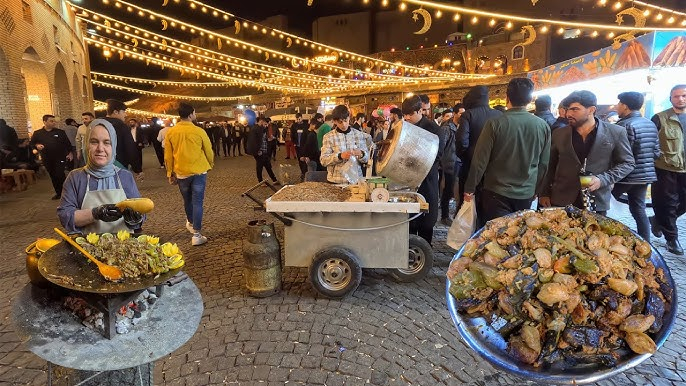
The holy month of Ramadan officially began across the Kurdistan Region on Thursday after Endowment authorities confirmed the sighting of the crescent moon, aligning the Region with the broader national observance in Iraq.
From the first day of fasting, daily life across the Region shifted noticeably. Streets in Erbil, Al-Sulaymaniyah, and Duhok grew quieter in the afternoons, while commercial activity slowed during daylight hours out of respect for those observing the fast.
In Al-Sulaymaniyah, restaurant owner Karzan Mohammed said limiting daytime service was a voluntary gesture. “It is out of respect for the sanctity of the month and for those who are fasting,” he explained, noting that customers during fasting hours are typically travelers or individuals exempt for health reasons.
As evening approaches, the pace of life reverses. In Erbil, the traditional iftar cannon echoed near the ancient citadel at sunset, signaling the end of the daily fast. The revived ritual has drawn families and visitors to the city center, creating a festive atmosphere.
Organizer Mullah Zana Khayam described the cannon as a historic Islamic tradition once used in major cities before modern timekeeping and loudspeaker systems. Its return has become a focal point of Ramadan nights in the capital.
Seasonal markets across the Region have adapted quickly. Shops in Erbil and Al-Sulaymaniyah reported increased demand for Ramadan decorations, lanterns, crescent-shaped lights, and food supplies for evening meals.
Authorities in Al-Sulaymaniyah launched monitoring campaigns to prevent price manipulation and hoarding. Acting district commissioner Fadhil Omar said officials would not allow unjustified increases in essential food items, particularly those associated with iftar. While most prices remained stable ahead of Ramadan, meat prices saw fluctuations due to external supply factors, as much of Iraq’s meat is imported.
In Duhok, the Chamber of Commerce and Industry inaugurated its annual “Ramadan Nights” market, offering discounted goods to ease financial pressure on families. Organizers described the initiative as both economic support and a cultural event that strengthens community bonds.
Regional authorities emphasized the importance of respecting Ramadan’s sanctity. Public eating during fasting hours is restricted, and alcohol sales are prohibited throughout the month.
The Kurdistan Regional Government’s Ministry of Culture and Youth directed media outlets to comply with legal and ethical guidelines when presenting Ramadan-related programs, ensuring that content reflects the values and spiritual character of the month.
Mosques across the Region reported increased attendance, particularly for Taraweeh prayers held after the final obligatory evening prayer. Families frequently attend together, with children participating in congregational worship and religious lessons.
Community initiatives also expanded during the first days of Ramadan. In Duhok and other cities, charity campaigns and donation drives were organized to support low-income families and address potential shortages in essential services.
After prayers, traditional social gatherings continued late into the evening. The popular game of Muhaybis — a team-based game involving the concealment of a small ring — remains a staple of Ramadan nights in several Kurdish cities, reinforcing social ties and communal spirit.
Across the Kurdistan Region, Ramadan once again reshapes public life — slowing the rhythm of the day, energizing the night, and strengthening the bonds of faith and community that define the month.