UK, Switzerland and Russia Welcome Syria–SDF Ceasefire Deal, Warn Process Remains Fragile
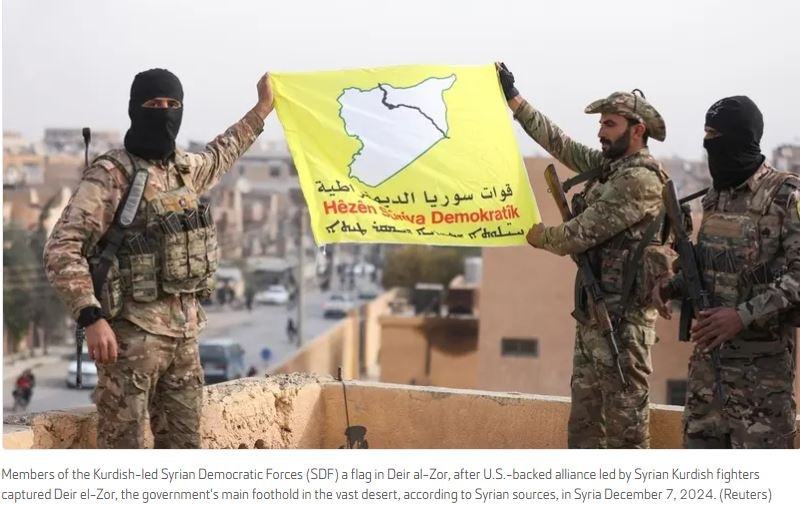
The United Kingdom, Switzerland and Russia have cautiously welcomed a recent ceasefire and political integration agreement between Syria’s transitional government in Damascus and the Kurdish-led Syrian Democratic Forces (SDF), describing it as an important step toward stabilizing northeast Syria while warning that the process remains fragile.
The agreement, finalized on January 30, came after several days of intense clashes in parts of northeastern Syria. It outlines a framework to end hostilities and integrate the region’s autonomous Kurdish-led governance, military, and security institutions into the Syrian state structure.
Initial steps toward implementation have begun, including efforts to merge military and security structures. However, unresolved disputes persist, particularly concerning the authority and role of a proposed deputy defense minister representing the SDF, according to SDF Commander Mazloum Abdi.
Under the agreement, Syrian state security forces are expected to gradually deploy to key cities such as Hasaka and Qamishli. Meanwhile, local Kurdish-led internal security forces would be incorporated into the framework of the Interior Ministry.
The deal builds on a January 16 presidential decree that pledged protections for Kurdish cultural and political rights—an issue that has long been a source of tension between Damascus and Kurdish authorities.
Analysts caution that competing interpretations of the integration terms, overlapping security mandates, and sensitivities in ethnically mixed areas could complicate the agreement’s implementation.
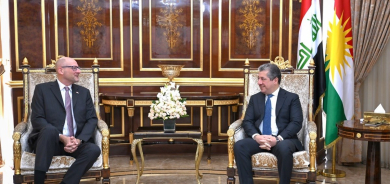
Ann Snow, the UK’s representative to Syria, described the ceasefire arrangements as “a welcome and important step toward de-escalation and long-term stability.”
“The situation remains fragile and requires all sides to maintain momentum and avoid actions that could undermine progress,” Snow told Rudaw.
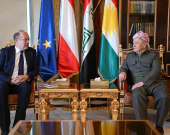
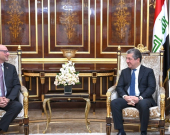
She added that the UK remains in close dialogue with Kurdish and regional leaders, including officials in the Kurdistan Region, and values their “constructive role” in supporting calm and advancing inclusive political processes that safeguard the rights of all communities.
Britain has consistently called for a negotiated political settlement in Syria in line with UN Security Council Resolution 2254, emphasizing inclusive governance and protections for minorities.
In a statement, Switzerland’s foreign ministry welcomed the January 30 agreement as a framework for a lasting ceasefire and inclusive political transition.
“Switzerland welcomes the agreement of 30 January 2026 between the Syrian transitional government and the Syrian Democratic Forces, which provides a framework for a lasting ceasefire and for promoting an inclusive political transition,” the ministry said.
The statement stressed that implementation of the January 16 decree on Kurdish rights is of “central importance,” alongside full respect for the ceasefire in northeast Syria.
Switzerland also noted it is closely monitoring developments, particularly the humanitarian situation, and continues to raise northeast Syria in discussions with relevant stakeholders, including transitional authorities.
Russia also signaled cautious support for the agreement.
Maria Zakharova, spokesperson for Russia’s foreign ministry, said Moscow is closely monitoring developments in northeastern Syria.
“We are convinced that the path to long-term sustainable stabilization in the Trans-Euphrates region and in Syria as a whole lies through a broad dialogue aimed at strengthening national unity and consensus, while taking into account the interests of all ethno-confessional groups of Syrian society, including, of course, the Kurds,” Zakharova said.
Russia was a principal backer of former Syrian president Bashar al-Assad, providing decisive military support during Syria’s protracted civil war. Moscow’s 2015 intervention significantly shifted the balance of power in Assad’s favor against various opposition factions, including Hay’at Tahrir al-Sham (HTS), which later became a dominant force in parts of northwest Syria and now plays a leading role in the transitional government.
Zakharova expressed hope that the ceasefire and reintegration arrangements would proceed “without setbacks” and that outstanding issues would be resolved through dialogue.