Iran, IAEA Discuss Framework to Sustain US–Iran Nuclear Talks
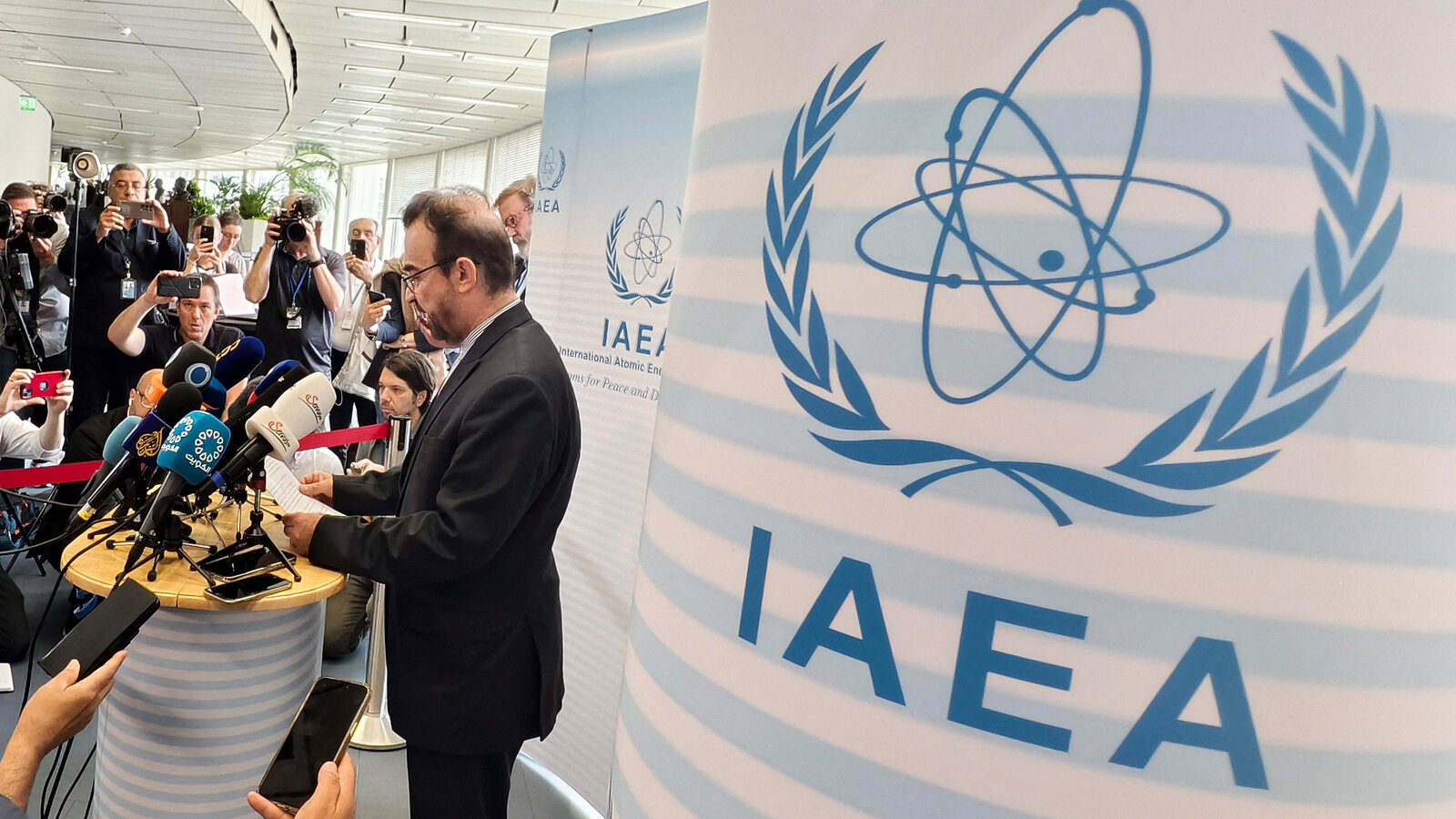
Iranian Foreign Minister Abbas Araghchi and International Atomic Energy Agency Director General Rafael Grossi held discussions on Wednesday aimed at keeping US–Iran nuclear negotiations on track, Iran’s state-run news agency IRNA reported.
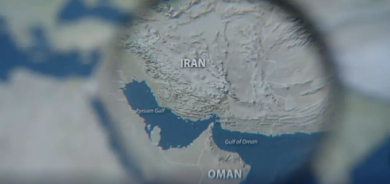
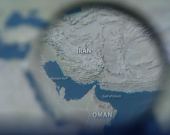
According to IRNA, the talks focused on progress made during the second round of indirect US–Iran negotiations held in Geneva on Tuesday. The Oman-mediated discussions took place amid heightened tensions between Tehran and Washington, including a significant US naval buildup in the Gulf during the negotiation period.
In a phone call, Araghchi and Grossi—who attended the Geneva talks—reviewed developments and explored ways for the International Atomic Energy Agency to support the drafting of what Araghchi described as a “coherent framework” for the United States, which Iran expects within the next two weeks.
The two officials had also met in Geneva prior to the negotiations, marking a rare high-level engagement after months of strained relations between Tehran and the UN nuclear watchdog. Iran has accused the IAEA of bias toward Western countries and Israel, restricted inspectors’ access to some nuclear sites, and declined to fully report on its stockpiles of highly enriched uranium.
Iran Engages IAEA, Russia, China
Separately, Iran’s IAEA representative Reza Najafi met with Grossi and the UN ambassadors of Russia and China on Wednesday in Vienna, where Iran’s nuclear program was discussed, according to Iran’s UN mission in Vienna.
Araghchi said the Geneva talks produced progress, with both sides reaching “a general understanding on a set of guiding principles” that would form the basis for drafting a potential agreement.
The Geneva meeting marked the second round of indirect talks facilitated by Oman, which began in early February. The US delegation is led by Middle East Special Envoy Steve Witkoff, alongside Jared Kushner, while Araghchi heads the Iranian team.
Washington is pressing Iran to curb its uranium enrichment activities, while Tehran maintains that its nuclear program is strictly for peaceful purposes.
Tensions Underpin Talks
Iranian Foreign Ministry spokesman Esmaeil Baghaei said the negotiations addressed two core issues for both sides: sanctions relief and Iran’s nuclear program.
“We are ready to continue these talks as long as it takes,” Baghaei said. “The issues aren’t complicated. There is no trust between the two parties. We have to continue under these conditions.”
While US negotiators have largely refrained from public comment, Vice President JD Vance told Fox News that although both sides agreed to meet again, Iran had not acknowledged certain US “red lines.” He added that President Donald Trump “reserves the ability to say when he thinks that diplomacy has reached its natural end.”
Trump has said he would be “indirectly” involved in the talks and has repeatedly warned of possible military action if Iran fails to resolve concerns over its nuclear activities.
In addition to uranium enrichment, Washington has sought to bring Iran’s missile program into the negotiations—an idea Tehran has firmly rejected. Iran’s primary focus remains the lifting of international sanctions, which have severely impacted its economy and fueled widespread protests. According to the US-based Human Rights Activists News Agency, at least 7,000 people have been killed during crackdowns by Iranian security forces amid the unrest.