U.S. Pressure Scuttles Iraq's Key Gas Deal, Deepening Power Crisis
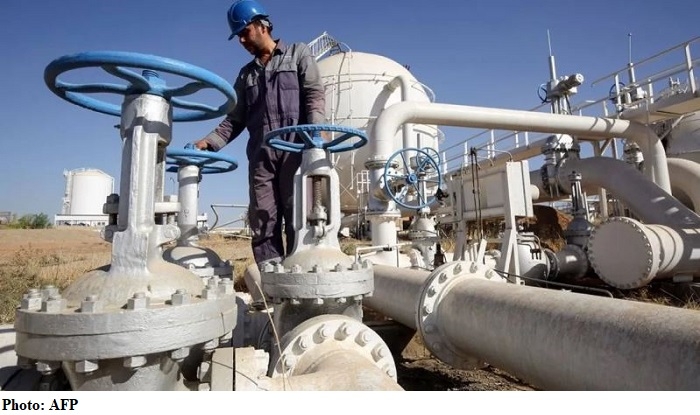
A crucial deal to import natural gas from Turkmenistan via Iran has collapsed under U.S. pressure, Iraqi officials confirm, dealing a major blow to Iraq’s efforts to address a chronic electricity shortage that has fueled social unrest and economic hardship for two decades.
The failure of the agreement leaves the oil-rich nation scrambling for alternatives to keep the lights on, caught in a difficult diplomatic position between its two main allies, Washington and Tehran.
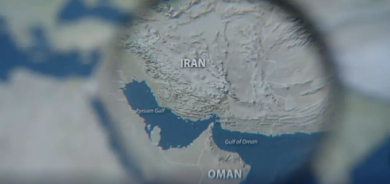
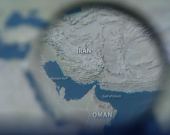
The proposed swap deal, first broached in 2023, would have seen Turkmenistan export approximately 5 billion cubic meters (bcm) of gas annually to Iraq through Iranian pipelines. In exchange for facilitating the transit, Iran’s state-owned National Iranian Gas Company (NIGC) would have kept a portion of the gas—up to 23% of the daily volume—as payment, rather than receiving cash.
This structure was designed to navigate U.S. sanctions on Iran, but still required explicit approval from Washington, which never came. According to documents reviewed by Reuters and interviews with four Iraqi officials, Baghdad lobbied for months for the deal, even offering to allow a third-party international monitor to ensure compliance with sanctions and anti-money laundering rules.
Despite these efforts, the Trump administration’s intensified "maximum pressure" campaign against Tehran over its nuclear plans led to the deal's demise.
"Proceeding could trigger sanctions on Iraqi banks and financial institutions, so the contract is currently suspended," said Adel Karim, adviser to Iraq's prime minister for electricity affairs.
The collapse of the deal exacerbates Iraq's severe power crisis, a persistent problem since the 2003 U.S.-led invasion. The shortage forces millions of Iraqis to rely on expensive private generators, straining household budgets and sparking frequent protests.
For citizens like Hussain Saad, a 43-year-old butcher in Baghdad’s Kasra neighborhood, the daily reality is a struggle to protect his livelihood.
"This isn't just my suffering — it's the suffering of the entire Iraqi people," he said, worried about his meat spoiling in the scorching heat without reliable refrigeration.
The setback underscores Iraq's heavy and vulnerable reliance on Iranian energy. According to an unnamed Iraqi power official, Iranian gas currently covers nearly a third of Iraq's electricity generation, with imports reaching 9.5 bcm in 2024.
The U.S. Treasury declined to comment. However, a U.S. source familiar with the matter stated the administration would not approve any arrangements that could benefit Iran, but affirmed it was working with Iraq to address its energy needs.
The Iranian government, its oil ministry, the NIGC, and Turkmenistan's foreign ministry did not respond to requests for comment.