Shiite Coordination Framework Delegation Visits Erbil Amid Political Deadlock
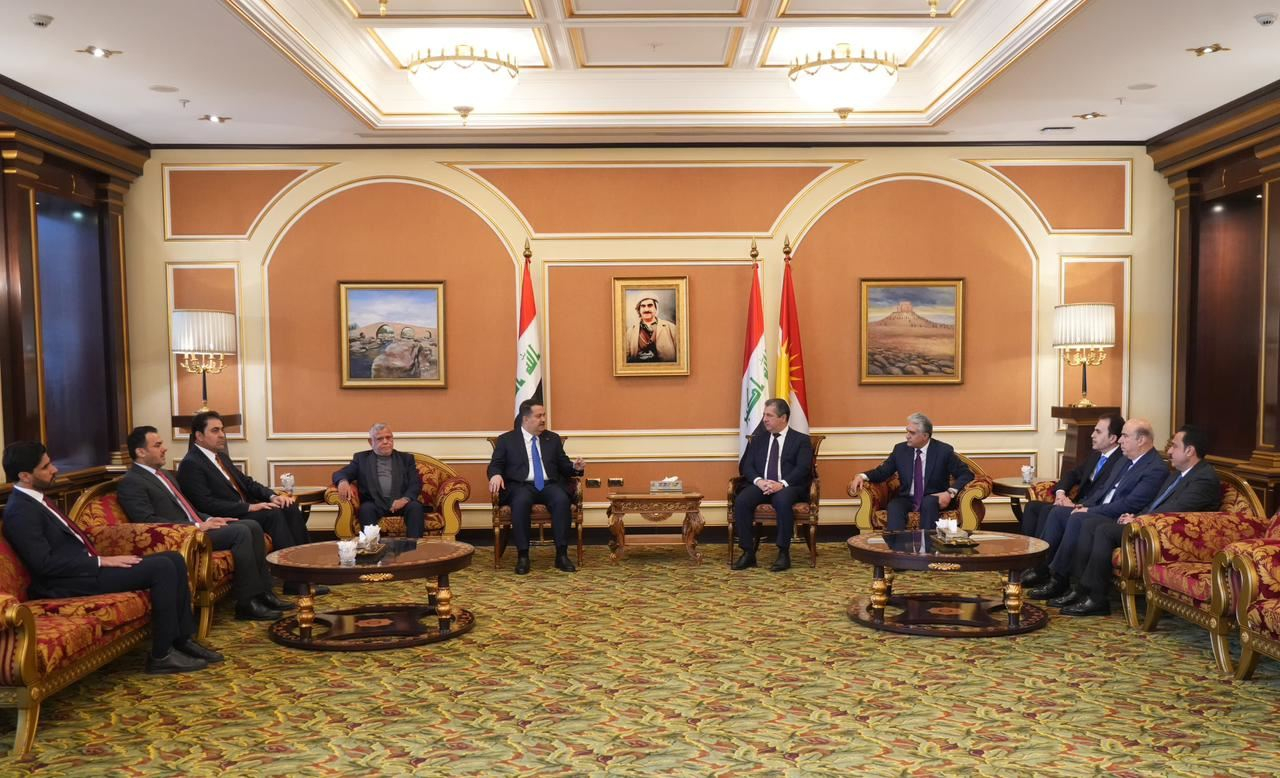
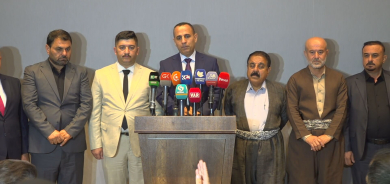
A high-level delegation from Iraq’s ruling Shiite Coordination Framework, led by outgoing Prime Minister Mohammed Shia’ al-Sudani, arrived in Erbil on Monday as negotiations intensify over the formation of the country’s next government.
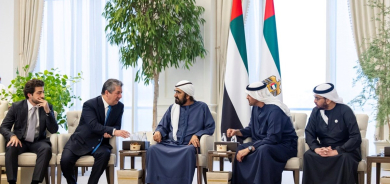
The delegation was received at Erbil International Airport by Kurdistan Region Prime Minister Masrour Barzani. During the visit, the delegation is expected to hold meetings with senior leaders of the Kurdistan Region’s two main ruling parties, the Kurdistan Democratic Party (KDP) and the Patriotic Union of Kurdistan (PUK).
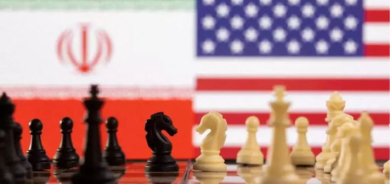
The visit comes at a critical moment in Iraq’s post-election process, as political blocs seek to elect a new president and agree on the country’s next prime minister. Kurdish parties have so far failed to reach consensus on a unified presidential candidate, contributing to a growing political deadlock. At the same time, the process of naming a new prime minister has been complicated by what sources describe as a US veto of former Prime Minister Nouri al-Maliki, the Coordination Framework’s nominee for the post.
Iraq held parliamentary elections on November 11, with the new parliament convening its first session on December 29, during which a speaker and two deputy speakers were elected. According to the Iraqi constitution, parliament must elect a president within 30 days of its first session. Once sworn in, the president has up to 15 days to appoint the nominee of the largest parliamentary bloc to form a new government.
Since the 2003 US-led invasion, Iraq has operated under an informal power-sharing arrangement that allocates the post of parliamentary speaker to Sunni Arabs, the premiership to Shiite Arabs, and the presidency to the Kurds.
However, disagreement between the KDP and the PUK over the presidency has stalled progress. Both parties have put forward separate candidates, failing to agree on a joint nominee. The PUK, which has largely held the largely ceremonial presidency since 2003, argues that the position remains its political entitlement. The KDP has rejected this claim, reportedly offering the PUK other federal posts in exchange for backing a KDP nominee for the presidency.